60 N Mercer Ave, Sharpsville, PA 16150

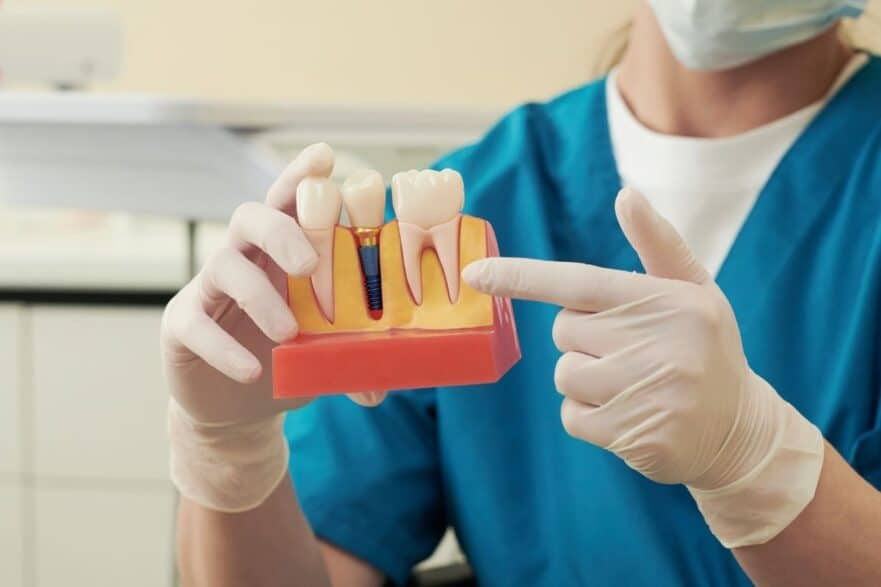
How Can Daily Care Keep Dental Implants Healthy Long Term?
Dental implants can remain strong and reliable for many years when they are cared for properly on a daily basis. From a clinical perspective, long term implant success depends less on the procedure itself and more on how well the surrounding gums and bone are maintained afterward. Patients who receive dental implants in Sharpsville often ask what they can do at home to protect their results. The answer is simple and reassuring. Consistent oral hygiene, healthy lifestyle choices, and regular professional care are the foundation for keeping implants stable and comfortable long term.
As a dental provider serving the Sharpsville community, we see firsthand how small daily habits make a lasting difference in implant health.
Why Daily Implant Care Is So Important
Dental implants function like natural teeth, but they still rely on healthy gums and strong jawbone support. While the implant post cannot develop cavities, the tissue around it can become inflamed or infected if plaque is allowed to build up. This condition can weaken the bone holding the implant in place.
From years of clinical experience, implant complications are most often linked to inconsistent home care rather than the quality of the implant itself. Daily attention helps protect both the implant and your overall oral health.
Brushing the Right Way Every Day
Brushing twice a day is essential for keeping implants clean and the surrounding gums healthy. A soft bristled toothbrush is ideal because it removes plaque effectively without irritating the gum tissue. Electric toothbrushes are also a great option for patients who want a more thorough clean with minimal pressure.
When brushing, focus carefully along the gumline around the implant crown. This is where bacteria tend to collect. Gentle and consistent brushing supports healthy tissue attachment and long term implant stability.
Flossing Protects the Gums Around Implants
Flossing is often overlooked, but it is one of the most important habits for implant care. Food particles and plaque can easily become trapped around implant crowns, especially near the gumline. Daily flossing helps prevent inflammation and bone loss.
Many patients benefit from implant friendly floss, water flossers, or small interdental brushes. These tools make it easier to clean hard to reach areas and are often recommended as part of dental implant care routines focused on long term longevity.
Smart Food Choices Support Implant Health
A balanced diet plays a direct role in maintaining healthy implants. Foods rich in calcium, protein, and vitamins support bone strength and gum health. Fresh vegetables, dairy products, and lean proteins all contribute to better oral health outcomes.
Sugary snacks and acidic beverages should be limited, as they promote bacterial growth in the mouth. Hard foods that can crack or stress implant crowns should also be avoided. Patients who follow practical dental implant care tips for long-lasting results often notice fewer complications over time.
Avoiding Tobacco Makes a Big Difference
Smoking is one of the most significant risk factors for implant failure. Tobacco use reduces blood flow to the gums, delays healing, and increases the risk of infection around implants.
In our experience caring for patients in Sharpsville, those who avoid smoking or quit altogether have healthier gums and more predictable implant outcomes. Protecting blood flow to the tissues is critical for long term success.
Managing Teeth Grinding and Jaw Stress
Grinding or clenching places excess pressure on dental implants. Over time, this force can damage the implant crown or compromise the surrounding bone.
Patients who experience jaw soreness, headaches, or worn teeth may benefit from a custom night guard. Managing bite forces is an important part of preserving implant health, especially for patients with a history of grinding.
Regular Dental Visits Matter More Than Many Realize
Routine dental exams and professional cleanings allow your dentist to monitor implant health closely. During these visits, the gums are evaluated, bone levels are checked, and early signs of inflammation can be addressed before they progress.
For patients with dental implants, staying consistent with local dental visits ensures continuity of care and long-term success. A dental team familiar with your implant history can provide personalized guidance and preventive care.
Overall Health Plays a Role in Implant Success
General health conditions such as diabetes can affect healing and gum health if not properly managed. Keeping medical conditions under control and maintaining open communication with your dentist helps reduce implant risks.
Oral health and overall health are closely connected, and successful implant care reflects that connection.
Dental Implants Last Longer When Daily Care Comes First
Dental implants are one of the most dependable tooth replacement options available today, but their longevity depends on daily habits. Brushing and flossing consistently, making smart dietary choices, avoiding tobacco, managing bite stress, and attending regular dental visits all work together to protect implant health. With proper care, implants can remain functional and comfortable for many years.
Long-term success is not about complex routines. It is about consistency, prevention, and professional guidance.
If you have dental implants or are considering treatment, personalized guidance can help protect your results for years to come. Schedule a consultation with Lombardi Dental in Sharpsville to learn how daily habits and preventive care can support a healthy, confident smile.
FAQs
How long can dental implants last with proper daily care?
With consistent oral hygiene and regular dental checkups, dental implants can last several decades. Many patients maintain healthy implants for 20 years or longer when gum health and bone support are well preserved.
Do dental implants require special cleaning tools?
Dental implants do not require complicated tools, but implant friendly floss, soft bristled toothbrushes, and water flossers can make daily cleaning more effective. Your dentist may recommend specific tools based on your implant placement.
Can gum disease affect dental implants?
Yes, gum inflammation around an implant can lead to bone loss if left untreated. This condition can compromise implant stability, which is why daily brushing, flossing, and professional cleanings are essential.
Is it safe to chew normally with dental implants?
Dental implants are designed to function like natural teeth, allowing you to chew comfortably. However, biting on very hard objects such as ice or hard candy should be avoided to protect the implant crown.
How often should dental implants be professionally checked?
Most patients should have their implants evaluated during routine dental visits every six months. In some cases, your dentist may recommend more frequent visits to monitor gum health closely.