60 N Mercer Ave, Sharpsville, PA 16150

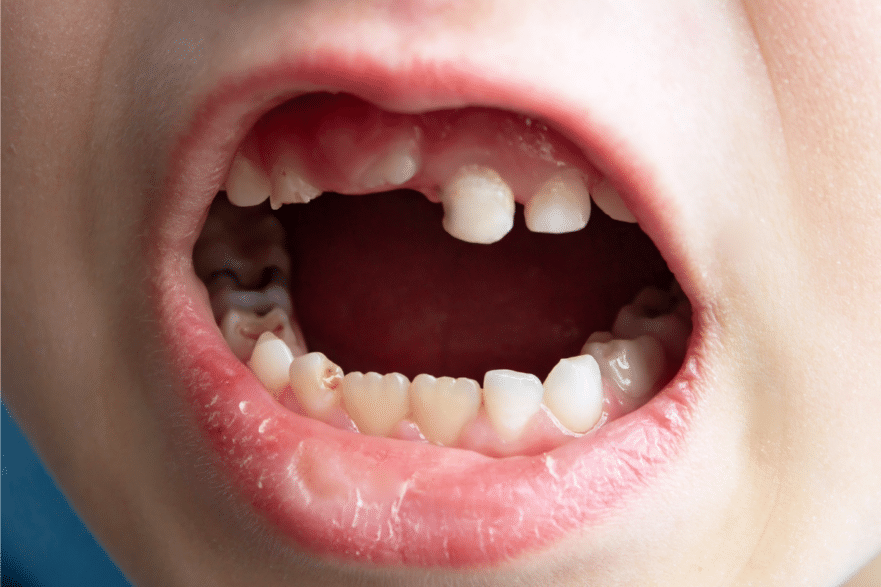
Baby Teeth Are Falling Out Early? When Your Child Needs a Dentist
Losing baby teeth is a normal part of childhood, but when a tooth falls out earlier than expected, parents may wonder whether something is wrong. While some children naturally lose their teeth sooner than others, premature tooth loss can sometimes signal an injury, tooth decay, or another dental concern that needs attention.
A children’s dentist can evaluate why a baby tooth fell out early and determine whether your child needs treatment to protect their developing smile. For families in Sharpsville, understanding the difference between normal tooth loss and a dental problem can help you decide when to schedule an appointment.
When Do Children Normally Lose Their Baby Teeth?
Most children begin losing their baby teeth around age six. The lower front teeth are often the first to go, followed by the upper front teeth. The process continues gradually, with most children losing their primary teeth by around age 12 or 13. However, every child’s dental development is different. Some children may lose individual teeth a little earlier or later than their peers. The important factor is which tooth falls out, your child’s age, and whether the tooth comes out naturally or because of an underlying problem.
A baby tooth that becomes loose and falls out on its own is usually less concerning than one lost after an accident or because of significant decay. Families looking for the best children’s dentist in Sharpsville should consider a practice that prioritizes preventive care, explains treatment options clearly, and helps children feel at ease during appointments.
Why Might Baby Teeth Fall Out Too Early?
Several factors can cause premature loss of primary teeth.
1. Tooth Decay
Cavities can weaken a baby tooth and damage the surrounding structure. If decay becomes severe, the tooth may need to be removed before the permanent tooth is ready to erupt. Early treatment can help prevent further damage and reduce the risk of infection.
2. Dental Injuries
Falls, sports accidents, and playground injuries can loosen or knock out baby teeth. Even when a tooth appears intact, an injury may affect the surrounding gums or develop a permanent tooth underneath.
If your child loses a baby tooth following an accident, contact a dental professional promptly for guidance. Do not reinsert a knocked-out baby tooth, as doing so could damage the developing permanent tooth.
3. Gum or Supporting Tissue Problems
Although less common in children, inflammation or other problems affecting the tissues that support teeth can contribute to tooth mobility. If a tooth becomes loose unexpectedly, particularly alongside swollen or bleeding gums, a dental examination is important.
4. Natural Differences in Development
Sometimes, early tooth loss is simply part of your child’s individual development. However, parents should avoid assuming that every early loss is normal, especially when the tooth falls out well before the typical age or without an obvious reason.
How Can Early Tooth Loss Affect Permanent Teeth?
Baby teeth do more than help children chew and speak clearly. They also help maintain space for permanent teeth as the jaw develops. When a primary tooth is lost too early, neighboring teeth may gradually shift into the empty space. This can leave less room for the permanent tooth to emerge in its proper position, potentially contributing to crowding or alignment concerns.
Depending on your child’s age, the tooth involved, and the time remaining before the permanent tooth erupts, a dentist may recommend monitoring the area or using a space maintainer. This small dental appliance helps preserve the space needed for an incoming tooth. Not every child who loses a baby tooth early will need additional treatment. A dental examination helps determine the most appropriate next step.
When Should You Take Your Child to a Dentist?
Schedule a dental appointment if you notice any of the following:
- A baby tooth falls out well before the expected age.
- A tooth becomes loose without an obvious reason.
- Your child experiences tooth pain, swelling, or bleeding gums.
- A tooth breaks or falls out following a fall or sports injury.
- You notice difficulty chewing or changes in how your child’s teeth fit together.
Seek urgent dental advice if your child has significant pain, facial swelling, or a dental injury. Trouble breathing or swallowing, or rapidly spreading facial swelling, requires emergency medical care. Even if your child has no discomfort, an unexpected loss deserves attention. Early evaluation can help identify the cause and reduce the chance of complications.
What Can Parents Do to Protect Their Child’s Smile?
Good daily habits help protect both baby teeth and the permanent teeth developing beneath them.
- Brush twice daily: Use fluoride toothpaste appropriate for your child’s age, with adult assistance until they can brush effectively.
- Floss between teeth: Clean between teeth that touch to remove plaque from areas a toothbrush cannot reach easily.
- Limit frequent sugary snacks and drinks: Offer water between meals and keep sweet treats occasional.
- Keep regular dental visits: Routine examinations help identify decay and monitor the development of your child’s teeth.
- Avoid pulling loose teeth prematurely: Let naturally loose teeth fall out on their own unless your dentist advises otherwise.
Choosing a practice that offers kids friendly dentistry can also make dental visits more comfortable. A calm, age-appropriate approach helps children build positive habits and feel more confident about receiving dental care.
Protecting Your Child’s Smile After Early Tooth Loss
When your child loses a baby tooth early, you want clear answers and a plan that supports their long-term oral health. A children’s dentist can examine the affected area, assess your child’s dental development, and explain whether monitoring, treatment for decay, or space maintenance may be appropriate.
At Lombardi Dental, families can access general and restorative dental services in a welcoming, judgment-free environment. The practice serves patients in Sharpsville and surrounding communities. If your child’s baby tooth has fallen out unexpectedly, don’t wait for another concern to appear. Request an appointment with us to have your child’s teeth evaluated and learn how to protect their developing smile. You can also call (724) 247 0167.
Frequently asked questions
1. Is it normal for a child to lose baby teeth before age six?
Most children begin losing baby teeth around age six, although development varies. If a tooth falls out significantly earlier than expected, consult a dentist to determine whether the loss is part of normal development or related to decay or injury.
2. What should I do if my child’s baby tooth falls out unexpectedly?
Check whether there is bleeding, pain, or swelling. Apply gentle pressure with clean gauze if needed, and contact your dentist for advice. If the tooth was knocked out by an injury, do not put it back into the socket.
3. Can losing baby teeth too early affect permanent teeth?
Yes. Early tooth loss can allow neighboring teeth to shift into the empty space, potentially reducing the room available for permanent teeth. A dentist can determine whether monitoring or a space maintainer is appropriate.
4. Does every child who loses a baby tooth early need a space maintainer?
No. The decision depends on which tooth was lost, your child’s age, the development of the permanent tooth, and the available space. Your dentist can assess whether an appliance is necessary.
5. Can tooth decay cause a child’s baby teeth to fall out early?
Severe tooth decay can weaken a baby tooth and may lead to premature extraction. Regular dental checkups, fluoride toothpaste, and healthy eating habits help reduce the risk of decay.