60 N Mercer Ave, Sharpsville, PA 16150

Maintaining Oral Hygiene With Dental Implants: Tips For Longevity
If you’ve recently gotten dental implants, congratulations! This is an important step toward a healthier, more confident smile. While dental implants offer many benefits, like natural looks and lasting functionality, keeping them clean is key to making sure they last for years. Here, you’ll learn how to maintain oral hygiene for dental implants and keep them clean for long-term success.
According to the American Academy of Implant Dentistry (AAID), over 150 million Americans are missing at least one tooth, but only about 1 million people are treated annually with dental implants, resulting in approximately 2.5 million implants placed each year.
In this blog, we’ll go over simple tips for maintaining oral hygiene and ensuring your dental implants stay in top condition.
What Are Dental Implants?
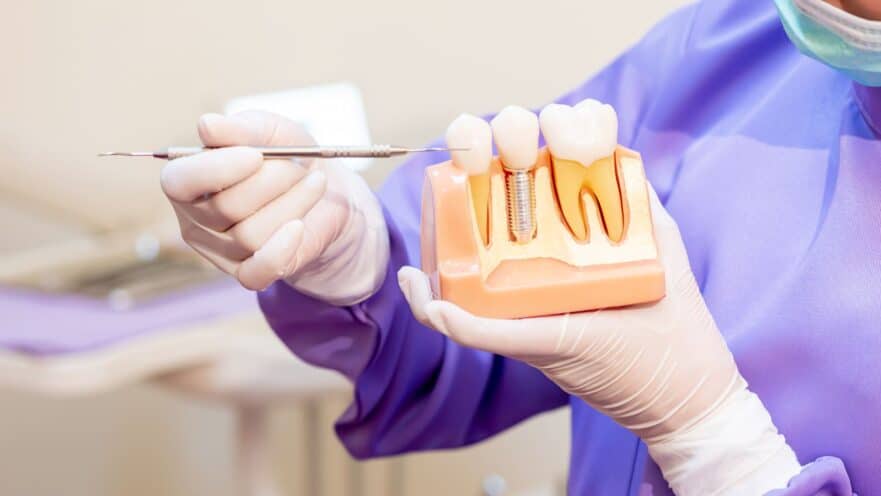
Dental implants are small, titanium posts that replace missing tooth roots. Surgically placed in your jawbone, they become a permanent part of your mouth, providing a strong base for a replacement tooth or bridge.
Unlike dentures or bridges, dental implants look and feel just like natural teeth, making them a popular choice for tooth restoration.
The process involves placing the implant in the jawbone, waiting for it to fuse with the bone (called osseointegration), and then attaching a crown or bridge. This restoration restores both the function and aesthetics of your teeth.
Tips for Maintaining Oral Hygiene with Dental Implants
Keeping your dental implants clean and healthy is essential for their longevity and the overall health of your mouth. Here are 6 easy-to-follow tips to ensure your implants stay in top condition:
1. Brush and Floss Regularly
- Brush Twice a Day:
Use a soft-bristled toothbrush and non-abrasive toothpaste to clean your implants at least twice daily. This helps remove plaque and bacteria that can accumulate on your implants.
- Floss Between Implants:
Use a floss threader or special interdental brushes to clean between your implants. Flossing helps maintain healthy gums and removes food particles that regular brushing may miss.
- Clean the Gum Line:
Don’t forget to clean along the gum line, as this area is often where plaque buildup can lead to gum irritation.
2. Use Antibacterial Mouthwash
- Rinse After Brushing:
To fight bacteria around your implants, use an antibacterial mouthwash after brushing and flossing. This adds an extra layer of protection and helps keep your mouth fresh.
- Avoid Harsh Mouthwashes:
Choose a mouthwash that’s gentle on your implants. Alcohol-based mouthwashes can sometimes irritate the gums, so opt for a mild, antibacterial rinse instead.
3. Schedule Regular Check-Ups
- Visit Your Dentist:
Regular visits to your dentist are crucial for keeping your dental implants in excellent condition. Your dentist will perform professional cleanings and check the health of your implants.
- Catch Problems Early:
Routine check-ups allow for the early detection of any potential issues, such as gum inflammation or infection, ensuring timely treatment.
4. Avoid Smoking and Excessive Alcohol
- Quit Smoking:
Smoking reduces blood flow to your gums, which can hinder healing and increase the risk of implant failure. Quitting smoking will significantly improve the long-term success of your implants.
- Limit Alcohol Consumption:
Excessive alcohol can impair your body’s ability to heal, which may affect the integration of your implants. Moderation is key to ensuring optimal implant health.
5. Eat a Balanced Diet
- Support Bone Health:
Eating a diet rich in vitamins and minerals is essential for the health of your implants. Focus on calcium-rich foods (like leafy greens and dairy), vitamin D (for bone health), and magnesium to support bone growth.
- Avoid Sugary Foods:
Limiting sugar helps prevent plaque buildup and gum disease, which can affect your implant stability.
6. Protect Your Implants with a Night Guard
- Prevent Teeth Grinding:
If you grind your teeth at night, a night guard can help protect your implants from excessive pressure.
This is especially important for people with bruxism (teeth grinding), as it can cause damage to both natural teeth and implants.
Conclusion
Maintaining proper oral hygiene is vital for the longevity and health of your dental implants. By following these simple yet effective tips, such as regular brushing, flossing, using antibacterial mouthwash, and visiting your dentist for routine dental check-ups, you can ensure your implants stay in top condition.
A healthy diet, avoiding harmful habits like smoking, and protecting your implants with a night guard will further enhance their durability. With consistent care, your dental implants can provide you with a confident, beautiful smile for many years to come.
Frequently Asked Questions About Oral Hygiene with Dental Implants
Q1: How often should I brush my dental implants?
You should brush your implants at least twice a day with a soft-bristled toothbrush and non-abrasive toothpaste, just like your natural teeth.
Q2: Can I floss around my dental implants?
Yes! You can floss around your implants. Use a floss threader or specialized interdental brushes to clean between your implants.
Q3: How can I prevent infection around my dental implants?
To prevent infection, maintain a strict oral hygiene routine—brush, floss, and use an antibacterial mouthwash regularly. Don’t forget to visit your dentist regularly for dental check-ups and cleanings.
Q4: Will my dental implants ever need to be replaced?
With proper care, dental implants can last for many years, often decades. Regular maintenance and check-ups are crucial for long-term success.
Q5: Can smoking affect my dental implants?
Yes, smoking can reduce blood flow to your gums, which may increase the risk of implant failure. It’s best to quit smoking for optimal oral health and implant longevity.