60 N Mercer Ave, Sharpsville, PA 16150

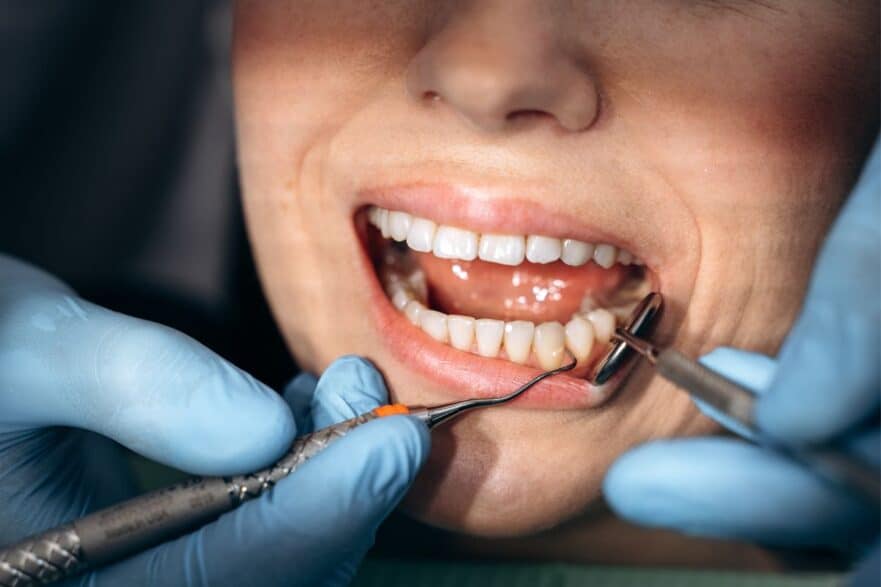
What Steps Does a Dentist Take to Remove Tooth Decay Safely?
Tooth decay is one of the most common issues patients experience, and the steps a dentist follows to remove it safely focus on preserving your natural tooth, stopping infection, and restoring proper function. At our dental clinic in Sharpsville, we follow proven clinical protocols supported by years of training and hands-on experience. Every stage of the procedure is designed to protect your comfort and long-term oral health, which is why early treatment always leads to better outcomes for patients in our community.
How a Dentist Understands and Identifies the Cause of Tooth Decay
Tooth decay forms when bacteria in plaque produce acids that gradually break down the enamel. If this process continues, it can move deeper into the tooth and eventually reach the nerve. As a dentist who treats families throughout Sharpsville, we see how early identification can make a major difference in preventing more extensive restorative procedures. When decay is diagnosed in its early stages, treatment is simpler, more comfortable and more successful.
Common symptoms of decay include sensitivity, discoloration, mild pain and small visible pits. Many patients also ask how dental fillings prevent tooth decay from progressing, and the answer lies in the way they seal and reinforce the weakened area once the damaged structure has been removed.
How a Dentist Moves Through Each Step of Tooth Decay Removal
A dentist follows a structured process to remove tooth decay, beginning with accurate diagnosis and ending with a fully restored tooth. Each step is performed carefully to protect healthy enamel, maintain comfort and ensure long-term oral health.
Step One: A Detailed Examination and Diagnostic Imaging
The process begins with a complete clinical evaluation. We visually examine the tooth and surrounding tissues, checking for softened enamel, structural changes and signs of infection. Digital X-rays are then taken to reveal decay between the teeth or beneath the surface. This helps guide the treatment plan and ensures accuracy. In Sharpsville, many patients appreciate that advanced imaging allows us to treat issues before they become painful.
Step Two: Isolating the Tooth for Clean Treatment
Once decay is confirmed, the tooth is isolated with a protective barrier to keep the area dry and clean. This step supports precision and safety. It also helps patients feel more comfortable by limiting the treatment area and improving visibility during the procedure. Maintaining a dry environment is essential for the strong bonding of the final restoration.
Step Three: Ensuring Complete Comfort with Local Anesthetic
A gentle dental experience begins with effective numbing. Local anesthesia is applied carefully around the tooth so the entire procedure is comfortable. Many patients at our Sharpsville dental clinic say they barely feel anything during this part of the visit. As a dentist, we believe in taking time with this step because comfort builds trust and helps reduce future dental anxiety.
Step Four: Removing the Decayed Tooth Structure
After the area is fully numb, the decay is removed using precise instruments that target only the softened or infected areas. This is where training and experience play a major role. We focus on preserving as much healthy enamel as possible, which supports long term strength. Minimally invasive care allows us to avoid unnecessary removal of natural tooth structure, something that benefits patients years down the road.
Step Five: Cleaning, Shaping and Preparing the Tooth
Once the decay is cleared, the cavity is shaped so the restoration can bond securely. The area is cleaned carefully to eliminate bacteria and debris. This step also helps prevent future complications and strengthens the long term success of the filling. Clean preparation is one of the most important elements of predictable dental care.
Step Six: Restoring the Tooth with a Strong, Natural Filling
The tooth is then rebuilt using a tooth colored composite material that blends with the natural enamel. The material is placed in thin layers, each cured with a special light to create a durable restoration. As a dentist in Sharpsville, we choose materials that are proven through clinical research and years of testing so patients receive long lasting results. For larger areas of decay, an inlay, onlay or crown may be recommended for added strength.
Step Seven: Final Bite Evaluation and Polishing
After the filling is shaped and cured, the bite is checked to ensure the restored tooth functions naturally when chewing. A smooth polish is applied to prevent plaque from sticking to the surface. This final step ensures comfort and protects the restoration from early wear.
The Dentist’s Role in Protecting Long Term Tooth Health
Tooth decay removal is a detailed process that relies on accurate diagnosis, skillful technique and a strong commitment to patient comfort. At Lombardi Dental in Sharpsville, every step is performed with careful attention to clinical detail. Early treatment remains the key to preserving natural teeth, avoiding complex procedures and maintaining long-term oral health.
If you have symptoms of decay or want to prevent future problems, scheduling a visit is the best way to protect your smile. Let us help you maintain a healthy and confident smile with safe and effective treatment.
FAQs
How do you know if you actually need a dentist to remove tooth decay?
Tooth decay often develops quietly, so many patients do not notice it until it becomes sensitive or painful. A dentist can identify early decay through visual exams and X rays before it becomes severe. The earlier it is treated, the more natural tooth structure can be preserved.
Will tooth decay removal hurt?
Tooth decay removal is performed after the area is fully numbed, so patients generally feel pressure but not pain. Modern anesthetics and gentle techniques make the procedure comfortable. Most people can return to their normal routine shortly after the appointment.
How long does the decay removal and filling process take?
Most cavities can be treated in one visit that lasts about thirty to sixty minutes, depending on size and location. Smaller cavities require less preparation, while deeper decay takes more time. Your dentist will let you know what to expect based on your specific tooth.
What happens if you ignore early tooth decay?
Untreated decay continues to spread and can eventually reach the nerve, leading to infection, severe pain or the need for a root canal. Ignoring minor symptoms can turn a simple filling into a more complex treatment. Early intervention is always the safest and most cost effective option.
Why do dentists take X-rays before removing decay?
X rays help reveal decay that may be hidden between teeth or under the surface where it cannot be seen visually. This allows the dentist to remove only what is damaged and protect healthy tooth structure. It also ensures no part of the cavity is left behind.