60 N Mercer Ave, Sharpsville, PA 16150

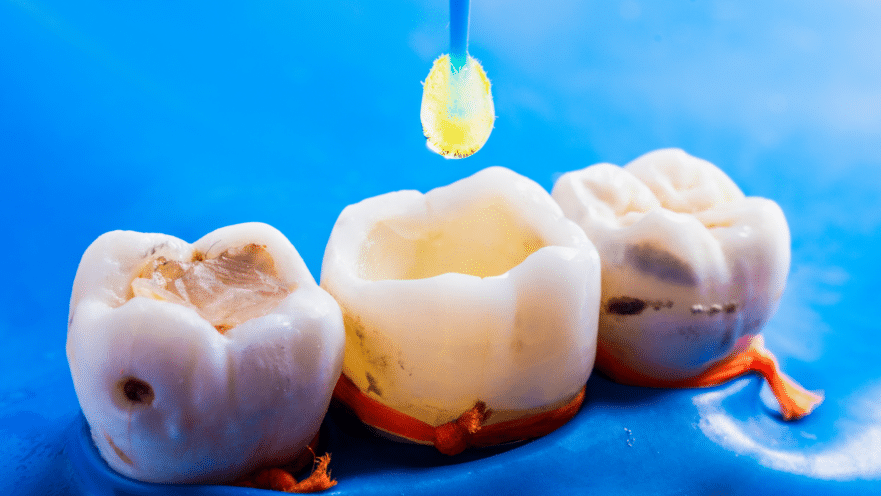
What Happens If You Don’t Get a Filling
Tooth decay is one of the most common dental problems, affecting approximately 2.3 billion people globally. Yet, many individuals underestimate the consequences of leaving cavities untreated. Dental fillings are a straightforward and effective way to halt the progression of decay. However, neglecting to get a filling can lead to serious dental complications. This blog explains why timely dental treatment is crucial and what happens if you ignore that cavity.
Why Are Dental Fillings Important?
Dental fillings are designed to restore the integrity of a tooth damaged by decay. They seal the cavity, preventing further bacterial invasion and protecting the tooth’s structure. When left untreated, cavities can deepen, causing not only pain but also more severe oral health problems.
The Risks of Ignoring a Dental Filling
Failing to get a filling may seem harmless initially, but it can set off a chain reaction of dental issues.
1. Progression of Tooth Decay
Cavities do not heal on their own. Without treatment, decay penetrates deeper into the tooth, eventually reaching the dentin and pulp layers. This can result in increased sensitivity, sharp pain, and an infection. According to the CDC, nearly 26% of adults in the U.S. have untreated tooth decay, highlighting the prevalence of this issue.
2. Risk of Infection and Abscess
When decay reaches the pulp—the innermost layer of the tooth—it can cause an infection. This infection may lead to an abscess, a pocket of pus that can form at the root of the tooth. Abscesses are painful and potentially dangerous, as the infection can spread to other parts of the body, including the jaw, neck, or even the bloodstream in severe cases.
3. Costlier and More Invasive Treatments
Ignoring a simple filling can turn an affordable procedure into an expensive ordeal. Advanced decay may necessitate root canal therapy, crowns, or even tooth extraction. Dental implants or bridges, often required after tooth loss, can cost thousands of dollars per tooth.
Preventing Long-Term Damage with Timely Care
Act Early for Healthier Teeth
Routine dental check-ups and prompt fillings can prevent decay from escalating. Dentists use X-rays and visual inspections to catch cavities in their earliest stages when treatment is easiest and most effective.
Choose the Right Filling Material
Modern dentistry offers various filling materials, from composite resin to porcelain, catering to both functionality and aesthetics. Your dentist can recommend the best option based on the location and severity of the cavity.
Invest in Prevention
Good oral hygiene is the foundation of cavity prevention. Brushing twice a day, flossing, and limiting sugary foods can dramatically reduce the risk of tooth decay. Regular dental cleanings also play a vital role in maintaining oral health.
Ignoring a dental filling may seem like a minor oversight, but it can lead to severe pain, infections, and costly treatments down the road. Cavities are progressive, and the earlier they are addressed, the better. By staying proactive with dental care, you can avoid the discomfort and expense of advanced dental issues. If you suspect a cavity, don’t wait—visit your dentist and protect your smile for years to come.