60 N Mercer Ave, Sharpsville, PA 16150

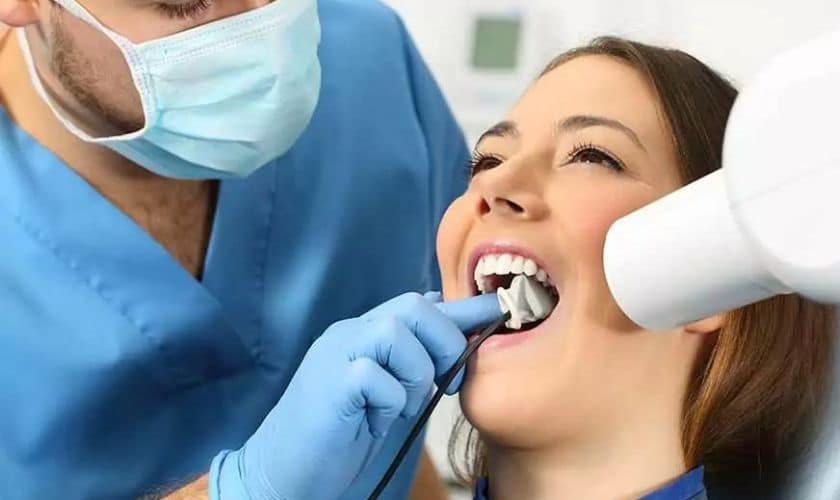
The Importance Of Root Canal Aftercare: Maintenance Tips
In the realm of dental care, root canals stand as a pivotal procedure for salvaging severely damaged or infected teeth. However, the journey towards a healthier smile doesn’t end with the completion of the root canal treatment. To ensure the long-term success of this transformative dental procedure, proper aftercare and maintenance play a paramount role. In this insightful blog, we will understand the significance of root canal aftercare and offer valuable maintenance tips to safeguard your treated tooth’s health and longevity. From understanding the do’s and don’ts of post-procedure care to tackling common challenges that may arise, we aim to equip you with essential knowledge and tools. Embark on an enlightening journey as we delve into the importance of root canal aftercare.
What Is A Root Canal?
A root canal is a dental procedure designed to save and restore a tooth that has become infected or severely damaged. This treatment aims to remove the infected pulp from inside the tooth, clean out the canals, and then seal them to prevent further infection. During a root canal procedure, your dentist will first numb the area around the affected tooth. Then, they will open the tooth to access the pulp chamber and canals. They will carefully remove the infected or damaged tissue using special tools. Once the canals are cleaned thoroughly, your dentist will fill them with a biocompatible gutta-percha material. This helps to seal off any remaining bacteria and prevents reinfection. Your tooth will be restored with a filling or crown for added strength and protection. Root canal treatment may initially sound intimidating, but it’s quite common and highly effective in saving teeth from extraction. So, if you need this procedure, don’t panic – it’s another step towards maintaining your beautiful smile!
Procedures Of Root Canal Treatment
Root canal treatment, or endodontic therapy, is a dental procedure to save a severely damaged or infected tooth. It involves removing the infected pulp from the inside of the tooth and cleaning and sealing the root canals. The first step in a root canal treatment is numbing the area with local anesthesia to ensure you are comfortable throughout the procedure. Once numb, your dentist will create an access hole in your tooth to reach the inner chamber and remove any decayed or infected tissue. Next, your dentist will carefully clean and shape the root canals using specialized tools. This ensures that all bacteria and debris are removed from within them. After thorough cleaning, medication may be applied to eliminate any remaining infection. Once cleaned, your dentist will fill the root canals with a biocompatible gutta-percha material. This helps prevent reinfection while also providing stability to the tooth structure. Sometimes, a temporary filling may be placed until a permanent restoration, like a crown, is placed. Root canal procedures typically require one or more visits, depending on the complexity of each case. Your dentist will provide specific instructions for post-treatment care to ensure successful healing. Remember that every patient’s case is unique; therefore, it’s important to consult with your dentist for personalized advice regarding your specific situation.
How To Maintain Proper Root Canal Aftercare
Root canal treatment is a common dental procedure that can save your tooth from extraction. After undergoing this procedure, it’s important to maintain proper root canal aftercare to ensure the success and longevity of the treatment. One of the key aspects of maintaining proper root canal aftercare is practicing good oral hygiene. This includes brushing your teeth twice daily with a soft-bristled brush, fluoride toothpaste, and flossing daily. Proper oral hygiene helps prevent further infection or decay in the treated tooth. In addition to regular brushing and flossing, you must schedule regular check-ups with your dentist. These follow-up visits allow your dentist to monitor the healing process and promptly address concerns or issues. Your dentist may also recommend periodic X-rays to assess the condition of the treated tooth. Avoid chewing on hard foods or using excessive force on the treated tooth for at least a few days following the root canal treatment. It takes time for the tooth to fully heal, so being mindful of what you eat can help prevent any potential damage. If you experience any pain or discomfort after undergoing root canal treatment, it’s important to contact your dentist immediately. While some sensitivity is normal during recovery, persistent pain could indicate an issue that needs attention. By taking these steps and following your dentist’s instructions for post-treatment care, you can ensure that your root canal treatment remains successful in preserving your natural smile.
Benefits Of Root Canal Treatment
Root canal treatment, also known as endodontic therapy, is a procedure that aims to save a tooth from extraction by removing the infected pulp and nerves within the tooth. While this treatment may sound intimidating, it offers numerous benefits that can improve oral health and overall well-being. One of the main benefits of root canal treatment is pain relief. When a tooth becomes infected or severely decayed, it can cause excruciating pain. By removing the source of infection through root canal therapy, patients often experience immediate relief from their discomfort. Another advantage is preserving your natural teeth. Losing a tooth affects your smile aesthetics, leading to shifting neighboring teeth and difficulties chewing and speaking properly. Root canal treatment helps retain natural teeth structure by eliminating infection without resorting to extraction. Furthermore, undergoing root canal treatment prevents further spread of infection. Infected dental pulp contains harmful bacteria that can enter the bloodstream and affect other body parts if left untreated. Addressing the infection promptly with root canal therapy reduces the risk of developing more serious health issues. In addition to these benefits, root canal treatment restores proper functionality to your affected tooth. After completing the procedure and restoring the tooth with a crown or filling, you can bite and chew without discomfort or limitations caused by an infected tooth. Remember that each case is unique; consulting with an experienced dentist specializing in endodontics will ensure personalized care tailored to your needs. Don’t hesitate to seek professional advice if you suspect you may require a root canal procedure; early intervention can prevent complications!
Taking care of your root canal after treatment is essential for maintaining the health and longevity of your tooth. These simple maintenance tips ensure your root canal remains in good shape and free from further complications. Remember to practice proper oral hygiene by brushing and flossing regularly paying extra attention to the treated tooth. Avoid chewing on hard foods or using your teeth to prevent damage. Schedule regular check-ups with your dentist to monitor the condition of your root canal and address any concerns promptly. By prioritizing root canal aftercare, you are investing in the long-term success of your dental health. You can maintain a healthy smile for years with little effort and diligence! If you have recently undergone a root canal treatment or require more information about post-treatment care, don’t hesitate to contact our experienced dental team. We support you every step on your journey towards optimal dental health.