60 N Mercer Ave, Sharpsville, PA 16150

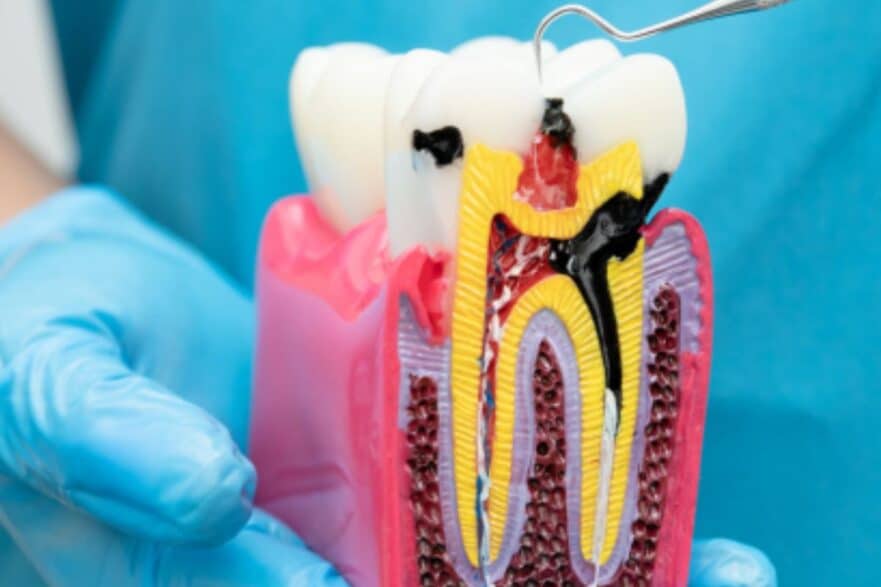
How Long Does a Tooth Last After a Root Canal?
A tooth that has undergone a successful root canal treatment can last for many years and often a lifetime when it is properly restored and cared for. Most patients are able to use their treated tooth just like a natural one without discomfort or limitations. The long-term success depends on factors such as the strength of the final restoration, daily oral care, and regular dental visits.
For patients visiting Lombardi Dental, this is a common concern, and understanding the answer helps them feel confident about saving their natural tooth.
What Happens During a Root Canal Procedure?
A root canal procedure focuses on removing infection from inside the tooth. The damaged pulp is carefully cleaned out, and the inner space is disinfected and sealed to prevent future issues. After this step, the tooth is usually restored with a crown to bring back its strength and appearance.
Saving the natural tooth helps maintain proper chewing function and keeps nearby teeth from shifting out of place.
How Long Can a Root Canal Treated Tooth Last?
The lifespan of a tooth after root canal treatment can range from ten to fifteen years or longer. Many patients keep their treated tooth for decades without any problems. In ideal conditions, it may even last a lifetime.
The outcome varies from person to person, and several important factors influence how long the tooth remains healthy.
Factors That Affect the Longevity of a Root Canal
Quality of the Final Restoration
A crown placed after treatment protects the tooth from cracks and fractures. Teeth that receive proper restoration tend to last significantly longer.
Daily Oral Hygiene
Brushing and flossing regularly helps prevent new decay or gum issues that can affect the treated tooth.
Position of the Tooth
Back teeth handle more pressure during chewing. A molar that has undergone a root canal procedure needs proper protection to withstand daily use.
Timing of Treatment
Early care improves the chances of long term success. Delaying treatment can weaken the structure of the tooth.
Lifestyle Habits
Teeth grinding, chewing hard objects, or using teeth as tools can reduce the lifespan of a treated tooth.
Signs That Your Treated Tooth Is Doing Well
After a successful root canal treatment, your tooth should function comfortably. Signs of a healthy treated tooth include:
- No pain while chewing
- No swelling or tenderness in the gums
- A stable crown or filling
- Normal bite and function
Routine dental checkups help ensure everything remains in good condition over time.
Can a Root Canal Tooth Develop Problems Again?
Although root canal treatment has a high success rate, there are situations where a tooth may develop issues later. This can happen due to new decay, a damaged crown, or reinfection inside the tooth.
In many cases, the tooth can still be saved with additional care. Seeking help early makes a big difference in preserving the tooth.
How to Help Your Root Canal Last Longer
Maintaining your treated tooth does not require anything complicated, but consistency is important.
Practice Good Oral Care
Brush twice daily and floss to keep your teeth and gums healthy.
Follow Through With a Crown
If your dentist recommends a crown after the root canal procedure, it is essential for protecting the tooth.
Schedule Regular Visits
Professional cleanings and exams help detect small issues before they become serious.
Protect Your Teeth From Pressure
If you grind your teeth, using a night guard can prevent damage.
Be Mindful of Your Diet
Avoid biting into very hard foods that can weaken the tooth or restoration.
Why Saving Your Natural Tooth Is Important
Choosing root canal treatment in Sharpsville allows you to keep your natural tooth instead of replacing it. Natural teeth support better chewing and help maintain the alignment of your smile. Preserving your original tooth structure is often the most reliable and comfortable option for long-term oral health.
Many patients in and around Sharpsville prefer this approach because it avoids more complex procedures in the future.
When Should You Contact Your Dentist?
After a root canal treatment, it is important to stay aware of any unusual changes. You should contact your dentist if you notice:
- Pain when biting or chewing
- Swelling near the treated area
- A loose or chipped crown
- Ongoing sensitivity
Prompt attention can prevent further complications and help extend the life of your tooth.
Conclusion
A tooth that has received a successful root canal treatment can last for many years and often for life with proper care. The key to longevity lies in strong restoration, consistent oral hygiene, and regular dental visits. While there is always a small chance of future issues, most treated teeth remain stable and functional for decades.
Understanding how to care for your tooth after treatment helps you protect your smile and avoid unnecessary dental concerns.
If you have been advised to get a root canal procedure or are dealing with tooth pain, timely care can make all the difference. Lombardi Dental provides personalized treatment designed to preserve your natural teeth and restore your comfort. Schedule your visit today to take the next step toward a healthier and longer-lasting smile.