60 N Mercer Ave, Sharpsville, PA 16150

How Long Do Dental Implants Last?
For many adults dealing with missing teeth, dental implants offer a long-term and life-changing solution. Naturally, one of the most common questions patients ask before undergoing treatment is: How long will they last?
While implant-supported restorations are designed to be durable and permanent, their longevity depends on multiple factors—including oral hygiene, lifestyle, and general health. This article breaks down how long implants typically last, what can affect their lifespan, and how to protect your investment for years to come.
What Makes Dental Implants So Durable?
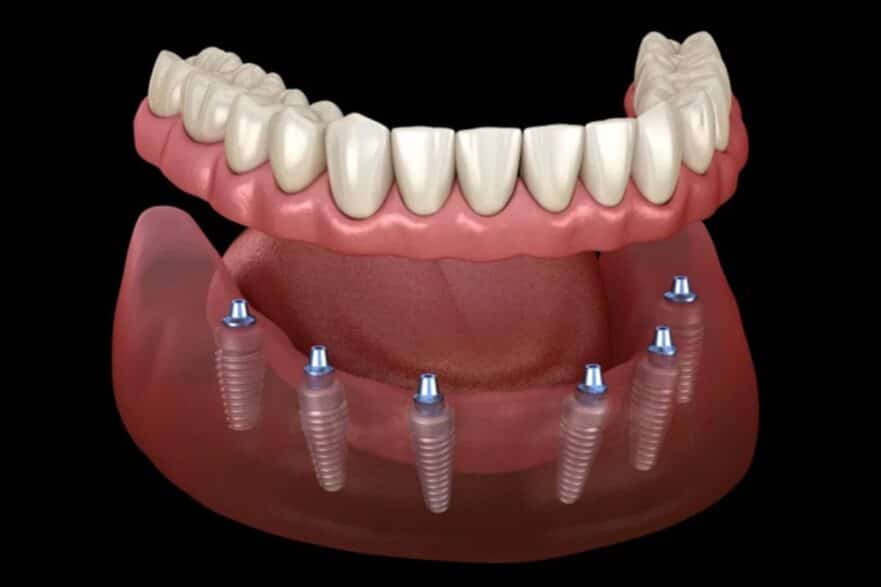
These restorations are made of three key components:
- Titanium post: Placed in the jawbone, this acts as a replacement for the tooth root and integrates with the bone over time.
- Abutment: A connector between the titanium post and the crown.
- Dental crown: The visible portion that functions like a natural tooth.
The titanium post is known for its biocompatibility and strength. It’s designed to fuse with the jawbone through a process called osseointegration, which allows it to serve as a stable anchor for decades. The crown, however, is more exposed to wear and may need replacement after several years of use.
Average Lifespan of Dental Implants
When placed correctly and cared for properly, dental implants can last 25 years or more. Many patients keep them for a lifetime without needing replacement. However, the crown usually lasts between 10 to 15 years before it may need to be replaced due to normal wear and tear.
Keep in mind, these are average timelines. Some individuals may see their crowns last well over 20 years, while others may need earlier replacements, especially if they have habits like teeth grinding or poor oral hygiene.
Key Factors That Influence Longevity of Dental Implants
The lifespan of a tooth replacement isn’t solely determined by the material, several health and lifestyle factors play a role:
1. Oral Hygiene Habits
While the artificial root won’t decay like a natural tooth, the surrounding gum and bone tissue can still be affected by plaque buildup. If not properly cleaned, the area can develop inflammation or even peri-implant disease, which threatens the entire structure.
2. Gum and Bone Health
Healthy gums and a strong jawbone support are essential for long-term success. Periodontal issues or bone loss can compromise the stability of the implant, even years after placement.
3. Smoking and Other Lifestyle Risks
Tobacco use interferes with healing and reduces blood flow to the gums, increasing the risk of early failure. Other factors like heavy alcohol use or poor nutrition can also negatively affect healing and long-term retention.
4. Teeth Grinding and Clenching
Bruxism places constant pressure on your restoration, especially on the crown. Over time, this can lead to fractures or loosening, particularly if not treated with a nightguard.
5. Placement Accuracy and Provider Skill
Precise placement is key. A qualified dentist will consider bone density, bite alignment, and gum health to ensure that the restoration is positioned to last. Choosing an experienced provider in Sharpsville improves your chances of long-term success.
Can Dental Implants Fail?
Although the failure rate is low—around 5%—it’s still possible. Failures typically happen early on due to poor healing or infection, but late failures can occur if gum disease develops or if the crown is damaged from excessive force.
Warning signs of complications may include:
- Persistent pain or discomfort around the area
- Swelling or bleeding gums
- Loose or shifting restoration
- Difficulty chewing
If you notice any of these symptoms, a prompt evaluation is crucial to prevent further issues.
Tips to Extend the Life of Your Implants
Your long-term success largely depends on your daily care routine and ongoing dental maintenance. Here are a few simple tips to extend the life of your implant-supported restoration:
- Brush at least twice daily with a soft-bristled toothbrush
- Floss around the restoration daily using floss threaders or a water flosser
- Avoid smoking and limit alcohol consumption
- Schedule checkups and cleanings every six months
- Wear a nightguard if you grind your teeth
- Avoid biting into hard foods like ice or hard candy
Conclusion
When placed and maintained properly, dental implants are one of the most dependable tooth replacement solutions available. While the titanium post is likely to last for decades, if not a lifetime, the crown may eventually need attention depending on how you care for it.
Understanding the factors that influence lifespan and taking proactive steps with your oral hygiene can help ensure your restoration remains strong, functional, and natural-looking for years to come. If you have questions about caring for your implants or are considering treatment, don’t hesitate to schedule an appointment with us.