60 N Mercer Ave, Sharpsville, PA 16150

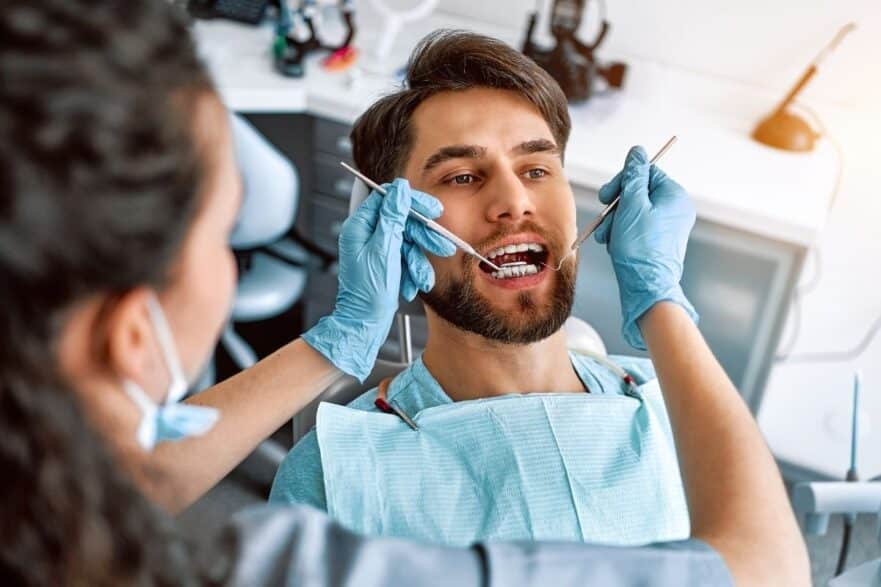
How Does a Dentist Help Stop Bleeding Gums and Early Gum Disease?
Bleeding gums are often the first sign of early gum disease, and addressing them promptly is essential to prevent serious oral health problems. A dentist can identify the causes, provide professional treatment, and guide patients on effective dental care practices. Timely intervention can prevent gingivitis from progressing to periodontitis, which may compromise not only natural teeth but also future dental implants.
Understanding Bleeding Gums and Early Gum Disease
Bleeding gums usually occur due to plaque buildup along the gumline. Plaque harbors bacteria that irritate the gums, causing inflammation, tenderness, and bleeding. Gingivitis, the earliest stage of gum disease, is reversible with professional care and proper home dental routines. If left untreated, it can evolve into periodontitis, leading to gum recession, bone loss, and increased risks for dental implants.
Patients in Sharpsville often choose us because early evaluation by a trusted dentist in the community ensures long-term oral health and prevents complications before they escalate.
How a Dentist Evaluates and Treats Early Gum Issues
A skilled dentist in Sharpsville approaches bleeding gums with a comprehensive and personalized plan to restore gum health.
Comprehensive Oral Examination
The first step involves a thorough examination of teeth, gums, and oral tissues. The dentist checks for inflammation, plaque, tartar buildup, and any early signs of bone loss. For patients considering dental implants, this step ensures the gums and jawbone are healthy and ready for the procedure.
Professional Cleaning and Scaling
Professional cleaning removes hardened plaque and tartar that daily brushing and flossing cannot reach. When necessary, scaling and root planing are performed to treat deeper gum pockets, stop bleeding, and reduce inflammation.
Personalized Oral Hygiene Guidance
A dentist provides guidance tailored to each patient’s needs, including brushing techniques, flossing strategies, and recommendations for mouth rinses that support gum health. This step is critical for preventing recurrence and protecting future dental implants.
Monitoring and Follow-Up
Regular checkups allow a dentist to monitor gum health and adjust treatment plans if needed. Patients often ask, “How often should you visit the dentist?” While it depends on individual needs, most patients benefit from professional evaluation every six months, with adjustments for those prone to gum problems or planning dental implants.
Additional Steps to Maintain Healthy Gums
Patients in Sharpsville can also improve gum health with simple lifestyle choices. A balanced diet rich in vitamins C and D strengthens gum tissue. Avoiding tobacco and staying hydrated reduces the risk of gum disease. Consistent oral care at home reinforces professional treatments and supports long-term results.
Why an Early Dental Checkup is Crucial
Addressing bleeding gums and early gum disease promptly protects natural teeth and ensures the success of dental implants. Healthy gums provide a stable foundation for implants, and early treatment prevents more invasive procedures later. A local dentist in Sharpsville ensures that any underlying issues are identified and treated before they impact overall oral health.
Conclusion
Bleeding gums are a common warning sign that should never be ignored. With professional evaluation, treatment, and personalized guidance from a dentist in Sharpsville, early gum disease can be effectively managed and reversed. Patients who maintain regular dental care with Lombardi Dental benefit from stronger, healthier gums, reduced risk of periodontitis, and better outcomes for dental implants.
If you notice bleeding gums or want to maintain your oral health, schedule an appointment with us. Early intervention supports lasting dental care and a confident, healthy smile.
FAQs
How does a dentist treat early gum disease?
Treatment usually involves a professional cleaning, scaling and root planing to remove plaque and tartar below the gumline, and personalized guidance on brushing, flossing, and oral hygiene products. Regular follow-up visits ensure gums stay healthy.
How often should I visit the dentist for gum health?
Most patients benefit from visiting a dentist every six months. Those prone to gum problems or planning dental implants may require more frequent checkups. Regular evaluations help detect issues early and prevent serious complications.
Is bleeding gums a sign of serious oral health issues?
While occasional minor bleeding may occur, persistent bleeding can indicate early gum disease or other underlying oral health problems. Early evaluation by a dentist in Sharpsville is essential to prevent progression.
What causes my gums to bleed?
Bleeding gums are usually caused by plaque buildup along the gumline. Plaque harbors bacteria that irritate and inflame the gums, leading to bleeding. Poor oral hygiene, smoking, certain medications, and vitamin deficiencies can also contribute to gum bleeding.
Can bleeding gums be reversed?
Yes, early-stage gum disease or gingivitis is reversible. A dentist can remove plaque and tartar, treat inflammation, and guide you on proper oral care to restore healthy gums.