60 N Mercer Ave, Sharpsville, PA 16150

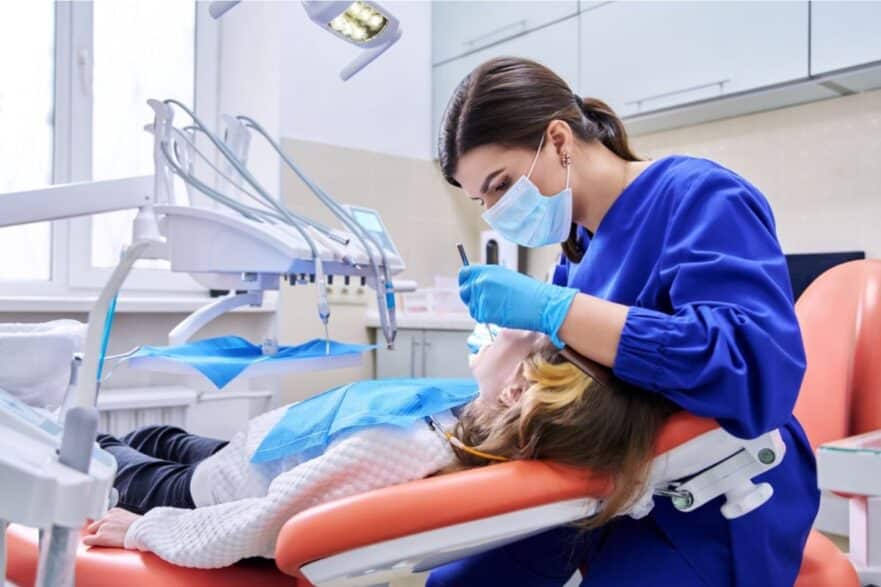
How a Dentist Handles Dental Emergencies
Dental emergencies can happen when you least expect them. Whether it’s a sudden toothache, a broken tooth, or an injury to your mouth, it’s important to know how a dentist can help. Acting quickly not only helps with pain but can also save your tooth and prevent bigger problems.
In this blog, we’ll walk you through how a dentist manages dental emergencies and what you should do if one happens to you.
When to Call a Dentist for an Emergency
Not every dental issue is an emergency, but some signs should never be ignored. You should call your dentist right away if you have:
- Strong tooth pain that doesn’t go away
- A tooth that has been knocked out or feels loose
- Swelling in your face or gums
- A cracked or broken tooth
- Bleeding that won’t stop
- A lost filling or crown causing pain
These problems can get worse fast. A dentist is trained to treat these kinds of emergencies and relieve pain quickly.
What a Dentist Does First in an Emergency
When you go to the dental office with a dental emergency, the dentist will first look at the problem and ask you about your symptoms. This helps them figure out what’s going on. If needed, they might take an X-ray to see the tooth or bone more clearly.
Once they know what’s causing the issue, they’ll decide how to treat it. The goal is to stop the pain, fix the problem, and keep your mouth healthy.
Common Ways a Dentist Treats Emergencies
Depending on what’s wrong, the dentist may use different treatments. Here are some of the most common ones:
- For a toothache: The dentist will check for decay, infection, or something stuck between your teeth. You may need a filling, cleaning, or sometimes antibiotics.
- For a knocked-out tooth: If you see a dentist fast enough, they might be able to put the tooth back in place and save it.
- For a cracked or chipped tooth: The dentist might smooth it out or use a filling or crown to fix it.
- For swelling or infection: You may need medication, drainage, or further treatment to stop the spread of infection.
- For broken fillings or crowns: The dentist will either replace the filling or place a temporary crown until a new one is made.
Every situation is different, but a dentist always focuses on making you feel better and protecting your teeth.
What You Can Do Before Seeing a Dentist
There are a few steps you can take at home before seeing a dentist, depending on the problem:
- Rinse your mouth with warm water
- Use a cold pack to help with swelling
- Take over-the-counter pain relief if needed
- Keep any broken pieces of your tooth or crown
- Try to put a knocked-out tooth back in place or keep it in milk
- Don’t chew on the side with the hurt tooth
These simple actions can help while you wait to see your dentist.
How Dentists Are Ready for Emergencies
Most dental offices are prepared for urgent visits. A good dentist will leave time in their schedule for same-day or next-day emergency appointments. Some even have after-hours phone lines to guide you on what to do until the office opens.
Having a plan and being ready to help is part of what makes a dentist dependable during emergencies.
Conclusion
Dental emergencies can feel scary, but the right care at the right time makes a big difference. A dentist knows how to handle these situations safely and quickly, whether you’re dealing with a painful tooth, a broken crown, or an injury to your mouth.
If you’re looking for help during an emergency, it’s smart to have a trusted dentist in Sharpsville or a dentist near Sharpsville you can call. Lombardi Dental is here to support the community when these moments happen, because your smile and comfort matter.