60 N Mercer Ave, Sharpsville, PA 16150

Lost a Tooth Years Ago? Is It Too Late to Consider Dental Implants?
Losing a tooth years ago does not necessarily mean you have missed your chance to replace it. In fact, many people who have lived with missing teeth for several years can still be candidates for dental implants. Although the jawbone naturally changes after tooth loss, modern dental treatments can often address these changes and make tooth replacement possible. The best way to determine your options is through a dental evaluation that examines your bone density, gum health, and overall oral condition.
If you have been putting off replacing a missing tooth in Sharpsville, understanding how implants work and what factors affect your eligibility can help you make an informed decision.
What Happens to Your Jawbone When a Tooth Is Missing for Years?
Your natural teeth do more than help you chew and speak. Their roots also stimulate the surrounding jawbone whenever you bite or chew. When a tooth is lost, that stimulation disappears from the affected area. Over time, the jawbone may begin to shrink because it no longer receives the same pressure and stimulation. This process is known as bone resorption.
The longer a tooth remains missing, the more noticeable these changes may become. Depending on the location of the missing tooth and your individual oral health, you might experience:
- Bone loss: The jawbone may become thinner or shorter over time.
- Changes in nearby teeth: Adjacent teeth can gradually shift toward the empty space.
- Bite problems: Missing teeth can affect how your upper and lower teeth come together.
- Difficulty chewing: You may find yourself relying more heavily on one side of your mouth.
- Changes in facial appearance: Significant bone loss can contribute to a sunken appearance around the mouth.
These changes do not automatically rule out implant treatment. However, they make a thorough examination especially important.
Can You Get Dental Implants After 5, 10, or 20 Years?
Yes. There is no fixed time limit for replacing a missing tooth with an implant. Even if you lost a tooth 10 or 20 years ago, you may still qualify for treatment. The important consideration is not how long the tooth has been missing but whether your jawbone and surrounding tissues can support an implant.
During an evaluation, your dentist will consider:
- The amount and quality of available jawbone.
- The condition of your gums and surrounding teeth.
- Whether you have an active gum infection or untreated dental problems.
- Your medical and dental history.
- Your bite alignment and the location of the missing tooth.
Dental imaging helps the dentist examine the available bone and identify any concerns that may affect implant placement. At Lombardi Dental, patients considering dental implant treatment in Sharpsville can discuss their tooth replacement needs and explore options based on their oral health.
What If You Have Already Experienced Bone Loss?
One of the biggest concerns for people considering implants after years of tooth loss is whether they have enough jawbone to support them. Fortunately, bone loss does not always mean implants are off the table. Depending on the amount of bone available, your dentist may recommend additional procedures before implant placement. Bone grafting is one possible solution. This procedure adds bone material to an area where the jawbone has become too thin or weak. Over time, the graft helps create a stronger foundation that may support an implant.
The treatment approach depends on your individual condition. Some patients may need a minor bone graft, while others with more significant bone loss may require a more extensive procedure. The goal is to create a stable foundation before placing the implant. Your dentist will determine whether additional treatment is necessary after reviewing your dental imaging and oral health.
How Does the Dental Implant Process Work After Long-Term Tooth Loss?
If you have been missing a tooth for several years, your treatment may involve a few additional steps compared with someone who recently lost a tooth.
Here is what the process generally involves:
1. Initial Dental Examination
The first step is a complete evaluation of your mouth. Your dentist examines your gums, remaining teeth, bite, and jawbone to determine whether implant placement is appropriate.
2. Preparing the Jawbone
If there is insufficient bone, a bone graft may be recommended. The area needs time to heal before moving forward with implant placement.
3. Implant Placement
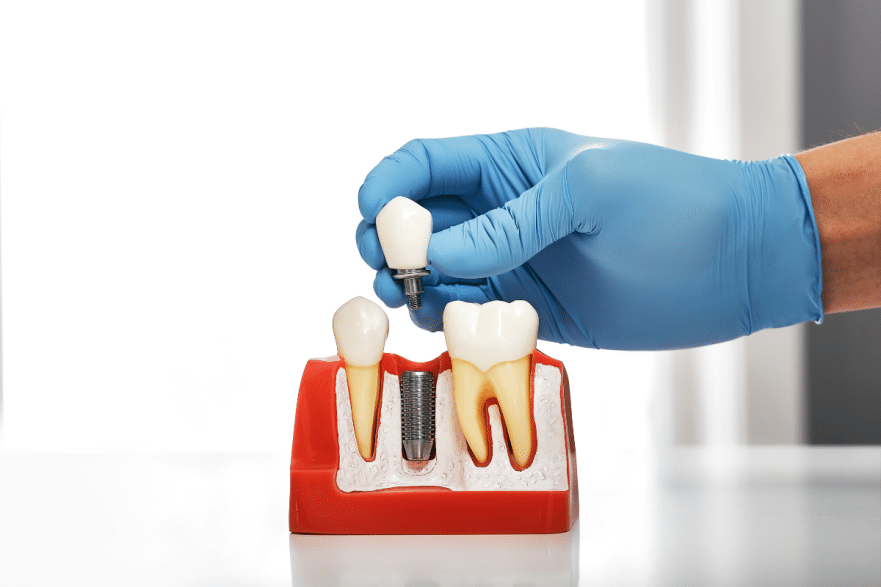
Once the jawbone is ready, a small titanium post is surgically placed into the bone. This post acts as an artificial tooth root.
4. Healing and Osseointegration
After placement, the implant needs time to bond with the surrounding jawbone. This natural healing process is called osseointegration and helps create a stable foundation for the replacement tooth.
5. Attaching the Replacement Tooth
Once healing is complete, a dental crown is attached to the implant. The finished restoration is designed to look and function much like a natural tooth.
Why Should You Avoid Leaving a Missing Tooth Untreated?
You may have become accustomed to the gap in your smile, especially if it has been there for years. However, leaving a missing tooth unaddressed can create problems beyond appearance. Nearby teeth may gradually move into the open space, potentially affecting your bite. You may also experience uneven chewing pressure, making it harder to eat certain foods comfortably. Another concern is the gradual loss of jawbone volume. Addressing a missing tooth sooner may help limit further changes and preserve more treatment options. Dental implants are one way to replace missing teeth while also providing stimulation to the surrounding jawbone through the implant post.
Are Dental Implants the Right Option for Everyone?
Not necessarily. Although implants offer several advantages, they are not automatically the best solution for every patient. People with untreated gum disease, certain medical conditions, or insufficient jawbone may need additional care before becoming candidates. Smoking and inconsistent oral hygiene can also affect healing and long-term implant success.
Other tooth replacement options, including dental bridges and dentures, may be more appropriate depending on your circumstances. A dental evaluation helps determine which approach offers the best balance of function, comfort, and long-term oral health.
Restore Your Smile With the Right Tooth Replacement Plan
Missing a tooth for several years does not mean you have to live with the gap permanently. With proper evaluation and planning, many people can still benefit from implant-supported tooth replacement, even when some jawbone loss has occurred. The key is understanding your current oral health rather than assuming it is too late to consider treatment. Whether you have been missing one tooth or several, exploring your options can help prevent additional dental complications and improve everyday chewing function.
Ready to discuss replacing a missing tooth? Contact Lombardi Dental at (724) 962-2138 or schedule an appointment at the office at 60 N Mercer Ave, Sharpsville, PA 16150. A dental evaluation is the first step toward finding a suitable solution for your smile.