60 N Mercer Ave, Sharpsville, PA 16150

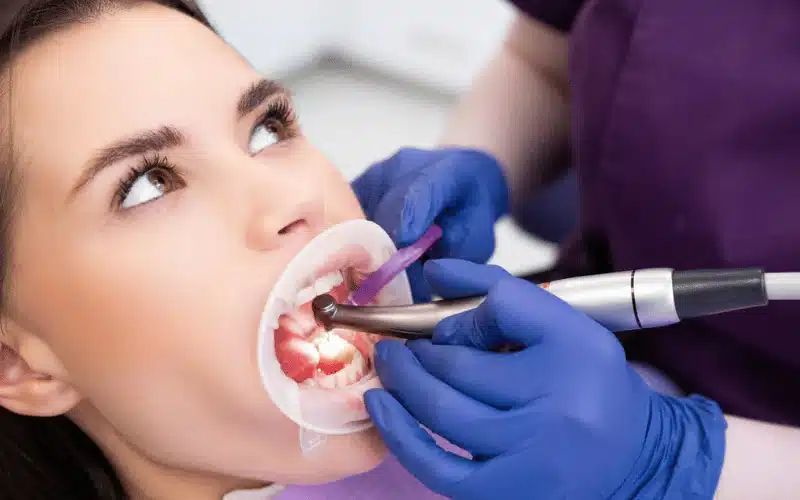
Cosmetic Dentistry Options for Damaged Tooth Restoration
Have you chipped, cracked, or damaged a tooth? It happens to many people, whether from an accident, decay, or everyday wear and tear.
According to the American Academy of Prosthodontists, nearly 180 million Americans are missing one or more teeth. The good news is, cosmetic dentistry options for damaged tooth restoration can help you fix your tooth and get your smile back.
In this blog, we’ll walk you through the best cosmetic dentistry treatments for restoring damaged teeth. So, let’s talk about the tooth restoration options and see which treatment is right for you.
Why Should You Consider Cosmetic Dentistry for Damaged Teeth?
You might be asking, “Why should I choose cosmetic dentistry to fix my tooth?” Well, it’s not just about making your smile look better—it’s also about getting your tooth back to full function.
Damaged teeth can affect your ability to chew, talk, and even smile confidently. Thankfully, cosmetic dentistry can restore both the look and function of your tooth.
Cosmetic procedures are designed to fix all types of damage, whether it’s a small chip, a cracked tooth, or more severe damage. They can help prevent further issues and give you a beautiful, healthy smile.
Common Cosmetic Dentistry Options for Damaged Tooth Restoration
When it comes to cosmetic dentistry options for damaged tooth restoration, there are several treatments that can work for you.
Let’s look at the most common options:
1. Dental Veneers
If you have a small chip or crack, veneers are a great choice. These thin, custom-made shells cover the front of your teeth to hide imperfections.
Veneers can fix cracks, chips, and even discoloration, giving your tooth a fresh, new appearance.
Pros: Quick procedure, natural look, minimal tooth reduction.
Best For: Minor chips, cracks, and tooth discoloration.
2. Dental Crowns
For more seriously damaged teeth, dental crowns may be the solution. A crown is a cap that covers the entire tooth, restoring its size, shape, and function. Crowns can be made from porcelain, metal, or a combination of both.
Pros: Strong, durable, restores full tooth function.
Best For: Severely cracked, decayed, or weakened teeth.
3. Bonding
If your tooth has a small chip or crack, dental bonding might be a quick solution. In this procedure, a tooth-colored resin is applied to the damaged area and shaped to match the natural contours of your tooth.
Pros: Quick, looks natural, cost-effective.
Best For: Small chips, cracks, or gaps between teeth.
4. Inlays and Onlays
Inlays and onlays are a good option for more moderate damage. These restorations fit into the cavity of a tooth, covering part of the tooth rather than the whole thing.
They are made of porcelain, composite resin, or gold, and they are often used when a filling isn’t enough but a full crown isn’t needed.
Pros: Durable, natural-looking, blends with the tooth.
Best For: Moderate damage, large cavities.
5. Implants and Bridges
In cases where the tooth is too damaged to be saved, dental implants or bridges may be necessary.
Dental Implants involve replacing a missing tooth with a small titanium post, which is surgically placed into the jawbone and topped with a crown.
A bridge is a prosthetic that fills the gap left by one or more missing teeth, anchored to the surrounding teeth.
Pros: Long-lasting, restores full function.
Best For: Missing teeth or teeth that can’t be repaired.
How to Choose the Right Cosmetic Option for You
With so many choices, how do you pick the right treatment for your damaged tooth?
Here are some things to think about:
- Severity of Damage:
If you have just a small chip or crack, bonding or veneers might be enough. For more severe damage, you may need a crown or implant.
- Location of the Tooth:
For visible front teeth, veneers or bonding might be a good option. For back teeth that are hidden from view, a crown or inlay could be a better fit.
- Budget:
Cosmetic procedures can vary in cost. Bonding is often the least expensive option, while crowns and implants can be pricier.
- How long you want it to last:
Some options, like crowns and implants, can last 10 years or more, while others, like bonding, might need touch-ups every few years.
Why See a Cosmetic Dentist for Tooth Restoration?
It’s always a good idea to consult a skilled cosmetic dentist when restoring a damaged tooth.
A cosmetic dentist will evaluate your tooth’s condition and recommend the best treatment based on your needs, budget, and preferences.
With their expertise, they’ll help you choose the right option and make sure the restoration looks and feels natural.
Conclusion: Restore Your Smile with Cosmetic Dentistry
No matter how damaged your tooth is, there’s a cosmetic dentistry treatment that can restore both its function and appearance. From veneers and bonding to crowns and implants, we offer a variety of options to help you get your smile back.
Dealing with a damaged tooth means you should seek treatment as soon as possible. For more serious issues, a crown might be the best solution. When you’re looking for a long-term fix, an implant could be ideal.
If you’re looking for a Cosmetic Dentist in Sharpsville, PA, we’re here to help! Contact Smiles of Punta Gorda at (724) 962-2138 to schedule your appointment. We’ll help you start your journey to a healthier, more beautiful smile today.
FAQs About Cosmetic Dentistry for Damaged Tooth Restoration
Q1: How long do cosmetic dental restorations last?
It depends on the procedure. Crowns and implants can last 10-15 years, while bonding may last 3-5 years.
Q2: Is cosmetic dentistry painful?
Most cosmetic procedures are not painful. Your dentist will use a local anesthetic if needed, and most patients report little to no discomfort.
Q3: How much does cosmetic dentistry cost?
Costs vary depending on the treatment. Bonding is usually more budget-friendly, while crowns and implants tend to be more expensive.
Q4: Can cosmetic dentistry restore tooth function as well as appearance?
Yes! Treatments like crowns and implants can fix the appearance of your teeth and also restore their ability to chew and speak properly.
Q5: Does insurance cover cosmetic dentistry?
Insurance might cover part of the cost if the procedure is medically necessary. However, most cosmetic treatments are considered elective, so they may not be covered.