60 N Mercer Ave, Sharpsville, PA 16150

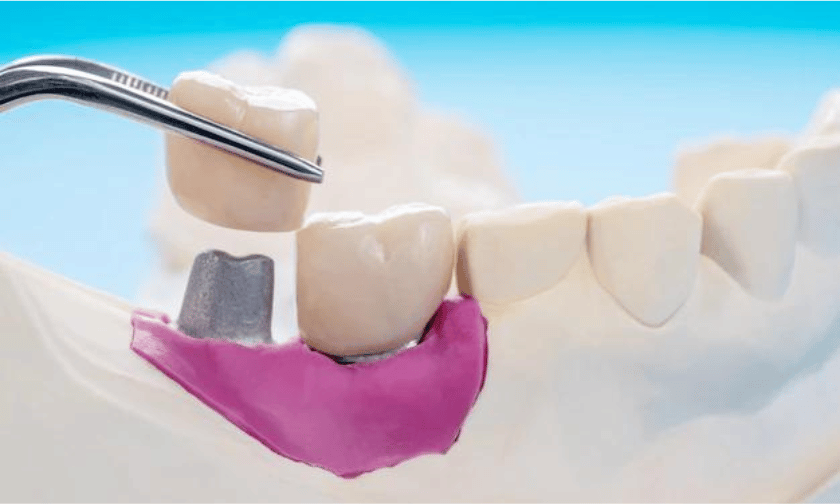
Common Misconceptions about Dental Crowns Debunked
Dental crowns are a popular tool for repairing damaged or decayed teeth. Dental crowns provide aesthetic and functional benefits to the patient, as well as restoring their smile back to its original state. However, there are some common misconceptions about dental crowns that can lead individuals to make decisions they may regret later. In this article, we will debunk three of the most common misconceptions about dental crowns and provide accurate information to better inform your decision.
1. Dental Crowns Are Expensive
One of the most pervasive misconceptions surrounding dental crowns is that they are expensive. In reality, the cost of a dental crown varies depending on where you get it, what kind of materials you use and how much work needs to be done. Dental insurance may also play a role in the cost. Dental crowns can range from affordable to very expensive depending on these factors, but they are generally an affordable option that can improve your smile in potentially life-changing ways.
Dental Insurance
If you have dental insurance, it is important to check with your provider to see exactly what they cover. Many policies will cover at least a portion of the cost of a dental crown or may even provide full coverage depending on the procedure. It is always best to contact your insurance company ahead of time to get an accurate estimate of what you can expect to pay.
Dental Crown Materials
The materials used in a dental crown can also affect the cost of the procedure. Dental crowns can be made from various materials, including porcelain, gold or ceramic. Each material has its advantages and disadvantages, so it is best to discuss the options with your dentist before making a decision.
Dental Crown Alternatives
In some cases, a dental crown may not be necessary and other treatment options may be available. For example, if the damage or decay is minor, a filling may be sufficient to repair the tooth. Talk to your dentist about what treatment options are available and what would be best for your individual case.
2. Dental Crowns Hurt
Another common misconception about dental crowns is that they hurt. In reality, the procedure for getting a dental crown is generally painless. The tooth will be numbed before the procedure so you will not feel any pain during the procedure. There may be some discomfort after the procedure as your mouth adjusts to the new dental crown, but this is typically minor and can be easily managed with over-the-counter pain medication.
Dental Crown Procedure
As mentioned, the actual procedure for getting a dental crown is generally painless. The dentist will first numb the area to ensure you don’t feel any pain during the procedure. They will then prepare the tooth for the crown, which may involve shaping or trimming away some of the existing structure. Once this is done, they will take impressions of your mouth to create a custom-fit dental crown and send it off to be made.
Dental Crown Aftercare
After the procedure, it is important to follow your dentist’s instructions for aftercare. This may include avoiding certain foods and drinks that could damage the crown, brushing and flossing regularly and visiting your dentist for regular check-ups. Following these instructions can help ensure that your dental crown lasts as long as possible.
Dental Crown Maintenance
In addition to following your dentist’s aftercare instructions, it is also important to maintain your dental crowns on a regular basis. This may include having them professionally cleaned at least once a year and monitoring any changes in the structure or fit of the crowns. Dental crowns can last for many years as long as they are properly cared for and monitored on a regular basis.
Dental crowns are an excellent option for restoring damaged or decayed teeth and improving the look of your smile. While there are some misconceptions about them, the truth is that they can be affordable, relatively painless, and long-lasting with proper care.