60 N Mercer Ave, Sharpsville, PA 16150

Lost a Tooth to an Injury? Exploring Dental Implant Replacement
Losing a tooth because of an accident or sports injury can be upsetting, but a missing tooth does not have to be a permanent part of your smile. Dental implants can replace the missing tooth from the root up, helping restore your ability to chew and giving your smile a natural appearance. If you have lost a tooth because of an injury, a dental evaluation can determine whether an implant, bridge, or another tooth replacement option is appropriate for you.
What Happens After a Tooth Is Lost to an Injury?
A traumatic injury can damage more than the visible part of a tooth. Depending on the severity of the accident, the tooth may be fractured, loosened, displaced, or completely knocked out. Damage to the surrounding gums and jawbone may also occur. If the tooth cannot be saved, replacing it is important. Leaving a gap for an extended period can allow nearby teeth to shift into the open space. The jawbone around the missing tooth may also gradually lose volume because it no longer receives stimulation from a natural tooth root. The first step is a dental examination. Your dentist can evaluate the condition of the gums, bone, and neighboring teeth before recommending a replacement.
If you are researching the best implant treatment in Sharpsville, focus on finding care that begins with a detailed evaluation rather than choosing a treatment based only on appearance. Every missing tooth and injury is different.
How Dental Implants Replace an Injured Tooth
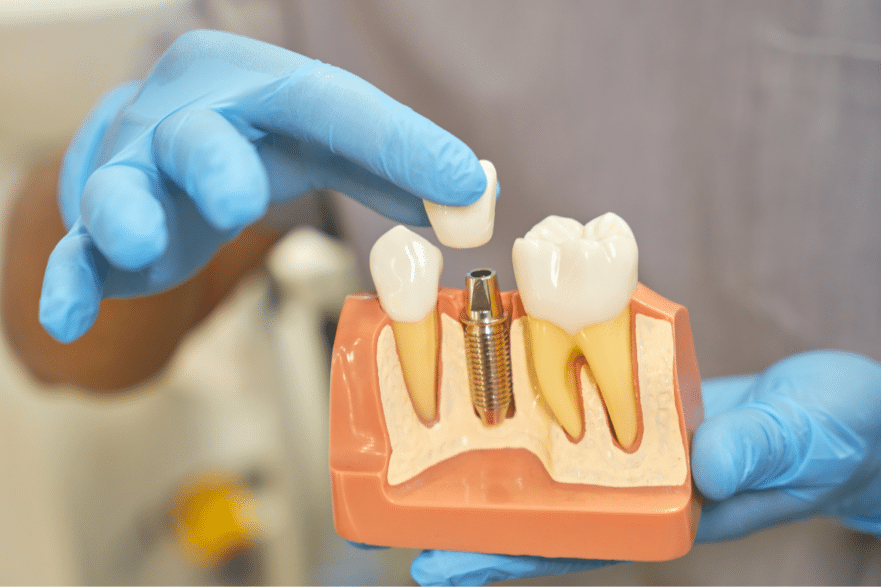
A dental implant is a small post placed into the jawbone to take the place of a missing tooth root. Once the implant has healed and become stable in the bone, it can support an abutment and dental crown.
The process generally involves several stages:
- Evaluation and treatment planning: Your dentist examines the area and may use dental X-rays or other imaging to assess the bone and surrounding structures.
- Implant placement: The implant post is surgically positioned in the jawbone.
- Healing and bone integration: The bone gradually bonds with the implant, creating a stable foundation.
- Crown placement: A custom dental crown is attached to complete the restoration.
The exact timeline varies from patient to patient. Bone condition, healing, oral health, and the complexity of the injury can all affect treatment.
Are You a Candidate for an Implant After an Injury?
Not every injured tooth can be replaced immediately with an implant. Your dentist will consider several factors, including the amount and condition of available jawbone, gum health, the condition of nearby teeth, and your overall oral health. In some cases, bone grafting may be recommended before implant placement if there is not enough bone to support the implant properly. This does not necessarily rule out implant treatment. It simply means additional preparation may be needed.
Patients should also understand that replacing a tooth after trauma is not only about appearance. A properly planned tooth replacement can help restore normal biting and chewing while maintaining the space between neighboring teeth.
Why Timing Matters After Tooth Loss
If you have recently lost a tooth because of an injury, do not wait indefinitely before having the area evaluated. Early assessment allows your dentist to determine whether the tooth can be saved or whether replacement should be considered. Prompt care is particularly important after significant trauma because nearby teeth, gum tissue, and supporting bone may also have been affected. A dentist can identify problems that may not be obvious when you look in the mirror.
Conclusion
Losing a tooth in an accident can leave you wondering what comes next. Dental implants offer one option for replacing a missing tooth by restoring both the root and visible portion of the tooth. However, the right treatment depends on the condition of your jawbone, gums, surrounding teeth, and the extent of the original injury. A dental examination is the best place to start. Once the area has been evaluated, you can discuss whether an implant, bridge, denture, or another restoration makes sense for your smile and long-term oral health.
If an injury has left you with a missing or damaged tooth, schedule an evaluation with Lombardi Dental in Sharpsville. A professional examination can help determine whether dental implant treatment is appropriate and what steps may be involved in restoring your smile.
FAQs
Can a tooth knocked out by an injury be replaced with a dental implant?
Yes. If the tooth cannot be saved, a dental implant can replace the missing tooth root and support a dental crown. Your dentist will first evaluate the jawbone, gums, and surrounding teeth to determine whether an implant is appropriate.
How soon after losing a tooth can I get a dental implant?
The timing depends on the injury and the condition of the extraction site. Some patients may be candidates for implant placement soon after tooth removal, while others may need time for the area to heal or require bone grafting first.
What if I do not have enough bone for a dental implant?
If there is not enough jawbone to support an implant, your dentist may recommend a bone graft. This procedure can help rebuild the bone and create a stronger foundation for future implant placement.
Are dental implants painful after an injury?
Implant placement is performed with local anesthesia, so you should not feel the procedure itself. Some tenderness, swelling, or discomfort can occur during healing and can generally be managed according to your dentist’s instructions.
How long does a dental implant take to replace a missing tooth?
Treatment time varies based on your oral health, bone condition, and whether additional procedures are needed. The implant also needs time to integrate with the jawbone before the final crown is attached.
Can I get an implant if the tooth was lost in an accident?
Possibly. An accident does not automatically prevent implant treatment. Your dentist will assess the condition of the jawbone and surrounding tissues before determining whether an implant is suitable.