60 N Mercer Ave, Sharpsville, PA 16150

How Long Does Root Canal Recovery Take?
If you are wondering how long it takes to recover from a root canal treatment, the short answer is that most people feel back to normal within a few days. Mild soreness can last for about three to five days, while complete healing of the treated area may take one to two weeks. The exact timeline depends on your oral health, the complexity of the case, and how well you follow aftercare instructions.
At Lombardi Dental in Sharpsville, patients often ask this question before scheduling care. Understanding the recovery process can help you feel more confident and prepared.
What Happens During a Root Canal?
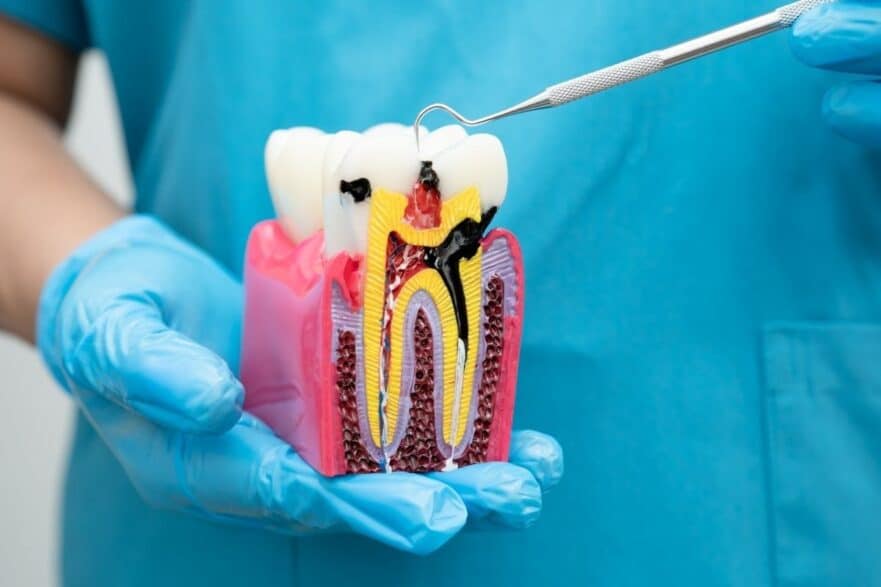
To understand recovery, it helps to know what the root canal process involves. This procedure removes infected or damaged pulp from inside the tooth, cleans the area, and seals it to prevent further infection. In many cases, a crown is later placed to restore strength and function.
Because the infection is removed, the procedure actually relieves pain rather than causing it. However, some temporary discomfort afterward is completely normal.
What to Expect Right After the Procedure
Once your root canal treatment is complete, your mouth may still be numb for a few hours. As the numbness wears off, you might notice:
- Mild tenderness around the treated tooth
- Sensitivity when chewing
- Slight swelling in the surrounding gum area
These symptoms are usually manageable with over-the-counter pain relievers and tend to improve within a couple of days.
Typical Recovery Timeline
First 24 to 48 Hours
This is when you may feel the most discomfort. The area around the tooth may feel sore, especially when biting down. It is best to stick to soft foods and avoid chewing on that side.
Days 3 to 5
Most of the soreness begins to fade. You should notice a significant improvement in comfort and function.
One Week
By this time, many patients feel completely normal. If a crown has not yet been placed, your dentist may schedule a follow up visit.
Two Weeks and Beyond
The inner tissues continue to heal, even if you feel fine. With proper care, the treated tooth can last for many years.
Factors That Affect Healing Time After The Process
Not every recovery is the same. Several factors can influence how quickly you heal after a root canal treatment:
Severity of Infection
A deeper or more advanced infection may take longer to heal.
Tooth Location
Molars can sometimes take a bit longer to recover due to their complex structure.
Overall Health
Your immune system plays a role in healing. Patients in good general health often recover faster.
Aftercare Habits
Following your dentist’s instructions carefully can make a big difference in recovery time.
Tips to Speed Up Recovery
A smooth recovery often comes down to simple habits. Here are some practical tips to help you heal faster:
- Avoid chewing on the treated tooth until fully restored
- Stick to soft foods for the first few days
- Maintain good oral hygiene by brushing and flossing gently
- Take medications exactly as prescribed
- Avoid very hot or cold foods if sensitivity is present
Patients receiving root canal treatment in Sharpsville are often advised to return for a permanent crown as soon as recommended. This protects the tooth and prevents further issues.
When to Call Your Dentist?
While most recoveries are straightforward, there are times when you should reach out to your dentist:
- Pain that worsens instead of improving
- Swelling that does not go down
- Signs of infection such as fever or discharge
- Difficulty biting even after several days
These symptoms are not typical and should be evaluated promptly.
Is Root Canal Recovery Painful?
One of the biggest concerns patients have is pain. The truth is that modern root canal treatment is designed to relieve pain, not cause it. Most patients report that the discomfort afterward is mild and temporary.
Advances in dental techniques have made the root canal process much more comfortable than many people expect. In fact, it often feels similar to getting a standard filling.
Long Term Outlook After a Root Canal
Once healed, a tooth that has undergone a root canal treatment can function just like a natural tooth. With proper care, including regular dental visits and good hygiene, it can last for decades.
The key is not to delay treatment or follow up care. Addressing dental issues early can prevent more serious complications later.
Conclusion
Recovery from a root canal treatment is typically quick and manageable. Most patients feel better within a few days and return to normal routines shortly after. While mild discomfort is expected, it should steadily improve as the area heals.
Understanding the timeline and following simple aftercare steps can make the experience even smoother. If you ever feel unsure about your symptoms, it is always best to check in with your dentist for guidance.
If you are dealing with tooth pain or think you may need a root canal treatment, the team at Lombardi Dental in Sharpsville is here to help. Schedule a consultation today to get a clear diagnosis and personalized care plan so you can return to comfort as soon as possible.
FAQs
How long does pain last after a root canal treatment?
Most patients experience mild discomfort for three to five days after a root canal treatment. The pain gradually improves each day and can usually be managed with over the counter medication.
Can I go back to work after a root canal?
Yes, many patients return to work the same day or the next day. If your procedure was more complex or if you feel soreness, taking a day of rest can help you recover more comfortably.
What should I eat after a root canal treatment?
It is best to stick to soft foods such as yogurt, mashed potatoes, eggs, and soups for the first few days. Avoid hard or crunchy foods until the treated tooth feels stable.
How do I know if my root canal is healing properly?
Signs of proper healing include reduced pain each day, no swelling, and the ability to chew comfortably after a few days. If symptoms improve steadily, your recovery is on track.