60 N Mercer Ave, Sharpsville, PA 16150

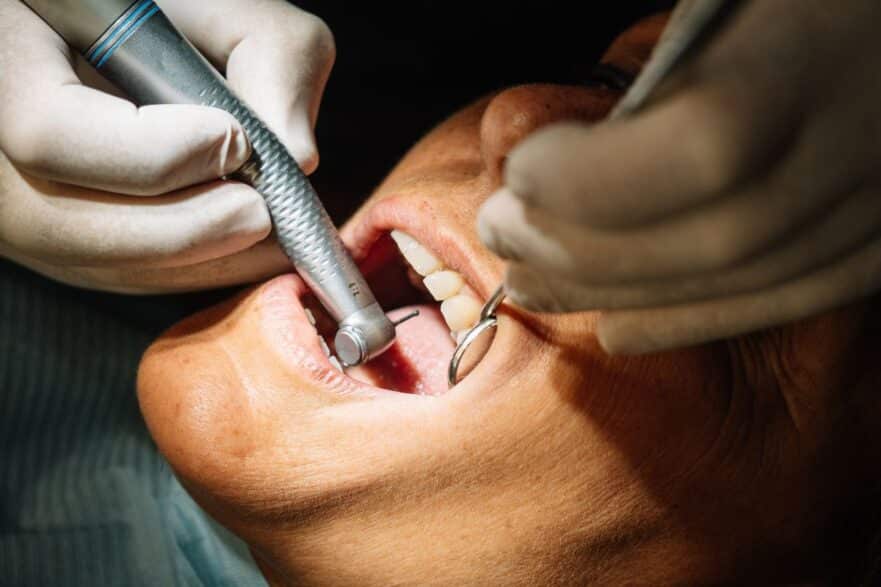
How Long Does a Full Mouth Restoration Take?
If you are planning to restore your entire smile, you might be wondering how long a full mouth restoration in Sharpsville takes to complete. On average, the process can take anywhere from a few months to more than a year, depending on your oral health, the number of procedures needed, and your healing time. Our patients receive customized treatment plans designed by skilled dental professionals who ensure each phase of care is carried out with precision and attention to detail.
Understanding Full Mouth Restoration
A full mouth restoration is a comprehensive dental approach that repairs or replaces all the teeth in both the upper and lower arches. This treatment not only improves the appearance of your smile but also restores function, comfort, and long-term oral health. It often includes a combination of restorative and cosmetic procedures such as dental implants, crowns, veneers, bridges, and gum therapy.
At our dental clinic, every case begins with a detailed examination and digital imaging. The dentist evaluates your oral health, bone structure, and bite alignment to determine which treatments will achieve the best results. This ensures that each restoration is planned with both aesthetics and function in mind, reflecting true clinical expertise and experience.
Factors That Influence the Treatment Timeline of Full Mouth Restoration
Every smile is different, which is why no two full mouth restorations take the same amount of time. Below are the main factors that affect how long your treatment may take.
1. The Health of Your Mouth
If you have gum disease, bone loss, or decay, these conditions must be treated first to create a stable foundation for your restorations. Periodontal therapy or bone grafting can take several weeks or months to heal, which adds to the total duration of the process.
2. The Number and Type of Procedures
The time required depends on what treatments are included in your plan. For example, patients who need crowns or veneers may finish within a few months, while those receiving dental implants may need six months or more for the bone and implant to integrate. Every phase is carefully timed to promote proper healing and durability.
3. Healing and Recovery Time
Your body’s natural healing response plays a big role in how quickly you can move from one procedure to another. Our dentist monitors your progress throughout, ensuring your tissues heal properly before advancing to the next step.
4. Customized Treatment Planning
A full mouth restoration is never a one-size-fits-all procedure. Some patients may complete treatments in phases, while others may undergo several procedures together. Your dentist will create a personalized schedule that supports both your dental health and your lifestyle.
A Closer Look at the Restoration Process
For many patients in Sharpsville, the journey begins with an initial consultation where the dentist takes time to understand both the functional and cosmetic goals of treatment. From there, diagnostic imaging and impressions are used to map out every stage. The results often go beyond just repairing teeth. Many patients discover the power of full mouth restoration, as it not only enhances their appearance but also restores confidence, improves chewing function, and contributes to better overall health.
Typical Timeline for Full Mouth Restoration
Although every patient’s plan is unique, here is what you can generally expect from start to finish:
Consultation and Treatment Planning (1 to 2 weeks): Your dentist reviews your oral health, takes digital scans, and designs your treatment plan.
Preparatory Treatments (1 to 3 months): Addressing gum disease, performing extractions, or placing bone grafts if necessary.
Restorative Phase (3 to 9 months): Placement of implants, crowns, bridges, or veneers.
Final Adjustments (2 to 4 weeks): Ensuring your bite is properly aligned and your restorations fit comfortably.
In most cases, a full mouth restoration takes between six months and a year, though complex cases may require more time for healing and refinement.
Why Time and Precision Matter
Restoring your entire mouth requires more than cosmetic improvement. It demands careful attention to bite balance, bone structure, and gum health. Rushing through the process can lead to discomfort or premature wear. That is why dentists at Lombardi Dental take the time to plan every stage meticulously. Their years of experience, use of advanced dental technology, and commitment to patient safety ensure that each restoration lasts for many years to come.
Caring for Your New Smile
After completing a full mouth restoration, maintaining your results is key. Brush and floss daily, schedule routine dental cleanings, and avoid habits such as teeth grinding or biting hard objects. Your dentist may recommend a night guard or fluoride treatments to protect your restorations and natural teeth. Regular follow-up visits allow your dentist to monitor your oral health and keep your smile in its best condition.
FAQs
How long does a full mouth restoration take?
Most full mouth restorations take between six months to a year, depending on your dental condition and the treatments involved. Some patients may need extra time for healing between stages, especially if implants or gum therapy are part of the plan.
What treatments are included in a full mouth restoration?
A full mouth restoration can combine several procedures such as dental implants, crowns, veneers, bridges, and gum treatments. The exact combination depends on your oral health and what’s needed to restore your smile fully.
Can a full mouth restoration be done in fewer visits?
Some procedures can be completed together, but treatments like implants require healing time. Our dentists will create a timeline that balances efficiency and long-term success.
How long do full mouth restorations last?
With proper care, full mouth restorations can last many years. Regular dental visits, daily brushing and flossing, and avoiding habits like teeth grinding help extend the lifespan of your restorations.