60 N Mercer Ave, Sharpsville, PA 16150

Can You Eat Normally with a Dental Bridge?
Dental bridges can be life-changing for individuals who have lost one or more teeth. Not only do they restore your smile, but they also improve oral functionality, including the ability to chew food effectively. However, a common question among dental bridge patients is whether they can eat normally after getting one. The good news? Yes, you can eat normally with a dental bridge—though it might take some adjustment initially.
In this blog, we’ll explore how dental bridges impact your eating habits, discuss the foods you should consume and avoid, and provide tips for maintaining your dental bridge.
How Do Dental Bridges Impact Eating?
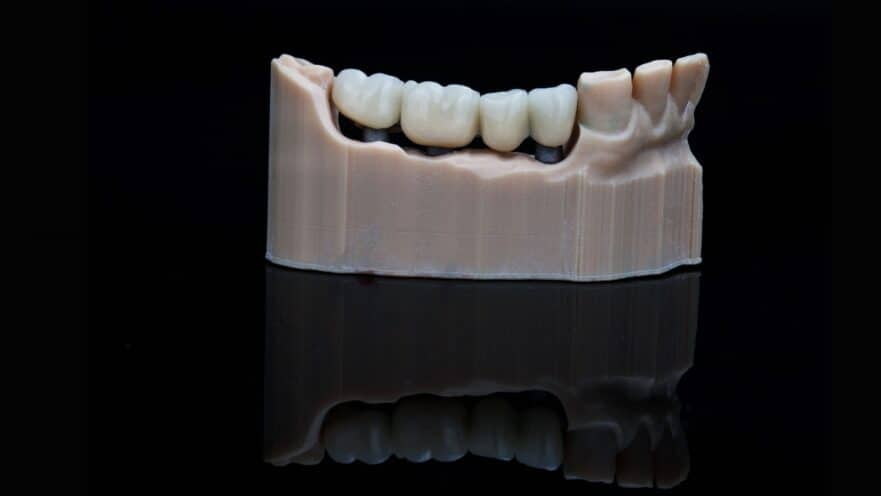
Dental bridges are designed to fill the gap left by missing teeth using artificial teeth (called pontics) anchored by crowns placed on adjacent natural teeth or dental implants. By restoring the integrity of your bite and preventing remaining teeth from shifting, bridges allow you to eat more comfortably and confidently.
According to the American Dental Association (ADA), missing teeth can lead to difficulty chewing, causing undue stress on remaining teeth and jaw joints. Dental bridges effectively eliminate these challenges. However, while they are durable, proper care is essential to ensure their longevity and functionality.
1. Foods to Avoid with a Dental Bridge
Immediately after receiving your dental bridge, your dentist will advise you to be cautious about what you eat. While the bridge will eventually feel natural, there are some foods you should avoid, particularly during the adjustment period:
- Sticky Foods: Caramel, gum, and other sticky snacks can pull at your dental bridge, weakening the adhesive or damaging its structure.
- Hard Foods: Nuts, popcorn kernels, or hard candy can put undue pressure on the bridge, potentially causing cracks or damage.
- Chewy Foods: Tough meats like steak or bagels can strain the bridge or neighboring teeth.
By avoiding these foods, you can protect your bridge and give yourself time to adapt to chewing with it.
2. Foods You Can Enjoy with a Dental Bridge
While you may need to avoid certain items, you’ll still have plenty of tasty options:
- Soft Foods: Soups, mashed potatoes, scrambled eggs, and yogurts are easy to eat and gentle on your bridge.
- Cut-Up Fruits and Vegetables: Slicing apples, carrots, and other hard fruits and vegetables into smaller pieces makes them easier to chew.
- Lean Proteins: Chicken, fish, and beans are excellent protein sources that are also bridge-friendly.
As you grow accustomed to your dental bridge, you’ll likely find that eating a wide range of foods becomes easier over time.
3. Tips for Eating Comfortably with a Dental Bridge
Adapting to a dental bridge takes a little patience and care. Here are some tips to make the transition smooth:
- Chew Slowly: Be mindful of how you chew and distribute pressure evenly on both sides of your mouth to avoid straining the bridge.
- Cut Food into Smaller Pieces: This reduces the effort required to chew and minimizes the risk of damaging the bridge.
- Use Mouthwash and Flossing Tools: Keeping your dental bridge clean is vital to prevent food debris from accumulating, which could lead to gum issues.
- Schedule Regular Dental Visits: Your dentist can inspect your bridge for wear and tear and ensure everything is functioning properly.
Research from the National Institute of Dental and Craniofacial Research (NIDCR) highlights the importance of dental hygiene for maintaining oral health, especially with restorative appliances like bridges.
Yes, you can eat normally with a dental bridge! While there may be some initial restrictions and adjustments, a dental bridge is designed to restore full functionality to your mouth. By avoiding overly sticky or hard foods, opting for softer options, and practicing good oral hygiene, you can enjoy a balanced diet without worry.
If you’re considering a dental bridge or need advice on maintaining one, reach out to a trusted dentist for expert guidance. Remember, a healthy smile contributes to a healthier you.