60 N Mercer Ave, Sharpsville, PA 16150

What To Expect During A Tooth Extraction Procedure In Sharpsville
Facing the prospect of a tooth extraction can be daunting, but understanding the process can help alleviate any anxiety. This blog will guide you through what to expect during a tooth extraction procedure in Sharpsville, ensuring you feel prepared and informed. Tooth extraction is a common dental procedure when a tooth is severely damaged, decayed, or impacted. The process involves carefully removing the tooth from its socket under the expertise of a skilled dentist or oral surgeon. In this blog, we will gain insight into tooth extraction, from the initial examination and anesthesia administration to the extraction and post-operative care instructions. Understanding the procedure, potential complications, and recovery process can help ease your concerns and ensure a smooth experience. We aim to give you the knowledge and confidence to approach your tooth extraction procedure with peace of mind. So, join us as we demystify the process and shed light on what to expect during a tooth extraction procedure in Sharpsville. This blog will explore what to expect during a tooth extraction procedure in Sharpsville and provide helpful tips for post-extraction dental care. So sit back, relax, and let’s dive into the world of tooth extractions!
What is a Tooth Extraction
Tooth Extraction is a dental procedure to remove a tooth from its socket in the bone. It is typically done when there is severe damage or decay that cannot be repaired, overcrowding of teeth, infection, or as part of orthodontic treatment. There are two types of tooth extractions, simple and surgical. Simple extractions are performed on visible teeth that the dentist can easily access using forceps and gentle rocking motions to loosen and remove the tooth. Surgical extractions are more complex and involve incision of the gum tissue to access the tooth beneath it. Local anesthesia will be administered during a tooth extraction to numb the area around the affected tooth. This ensures that you won’t feel any pain during the process. The dentist will then carefully loosen and remove the tooth using specialized instruments. To prepare for tooth extraction, your dentist may recommend avoiding certain medications, such as blood thinners, beforehand. It would be best to inform them about any medical conditions or allergies you have so they can take the necessary precautions. During a tooth extraction in Sharpsville, you can expect your dentist to explain each step of the procedure before starting. They will ensure your comfort by regularly checking your pain levels and adjusting anesthesia. After the extraction, you may experience some bleeding and discomfort, which can be managed with gauze pads and over-the-counter pain medication recommended by your dentist. Following their post-extraction care instructions is crucial for proper healing. A tooth extraction involves removing a damaged or problematic tooth under local anesthesia through simple or surgical techniques, depending on its location and condition. By preparing adequately beforehand and following post-operative care instructions diligently, you can minimize discomfort while ensuring optimal healing after this dental procedure.
What are the Different Types of Tooth Extractions
When it comes to tooth extractions, there is more than one-size-fits-all approach. Dentists in Sharpsville may recommend different types of extractions based on your specific dental issue. One common type of extraction is a simple extraction. This procedure is usually performed when the tooth can be easily seen and accessed in the mouth. The dentist will use special tools to loosen the tooth and remove it from its socket gently. In some cases, however, a surgical extraction may be necessary. This is typically done for teeth that are impacted or haven’t fully erupted from the gums. An incision will be made in the gum tissue during a surgical extraction to access the tooth. Sometimes, it may also involve removing small amounts of bone surrounding the tooth. Wisdom teeth extractions are another common type of dental procedure. Wisdom teeth often cause problems as they try to come through the gums and can become impacted or grow at odd angles. Removing wisdom teeth can prevent overcrowding, pain, infection, and other complications. The type of tooth extraction recommended will depend on your unique circumstances and oral health needs. It’s important to consult your dentist in Sharpsville to determine which option is best for you.
How is a Tooth Extraction Performed
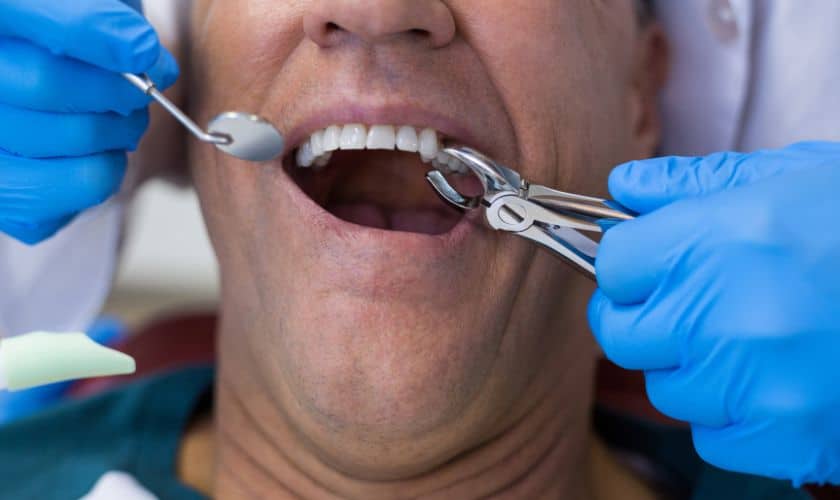
During a tooth extraction, the dentist will first administer a local anesthetic to numb the area around the tooth. This helps to minimize any discomfort or pain that may be experienced during the extraction. Once the area is numbed, the dentist will use specialized tools to loosen and remove the tooth from its socket gently. The specific technique will depend on whether it’s a simple or surgical extraction. In a simple extraction, the dentist uses forceps to grip and rock the tooth back and forth until it loosens enough for removal. This is typically done for teeth that are fully erupted and easily accessible. However, a surgical extraction may be necessary if a tooth is impacted or broken off at the gum level. In this case, an incision is made in the gum tissue to access and remove part or all of the tooth. Stitches may then be placed to aid in healing. Throughout the procedure, you may feel some pressure as your dentist works on removing your tooth. However, any pain should be minimal with proper anesthesia and gentle techniques. Afterward, you’ll receive detailed instructions on how to care for your mouth following surgery. Following these instructions closely is important to promote proper healing and prevent complications. Remember that every patient’s experience with a tooth extraction can vary depending on factors such as their overall health and individual circumstances. So while this overview provides general information about how extractions are performed, it’s always best to consult your Sharpsville dentist for personalized advice based on your unique situation.
How to Prepare For a Tooth Extraction
Preparing for tooth extraction is important to ensure the procedure goes smoothly. Here are some tips on how to prepare:
1. Consultation with your dentist: Schedule a consultation with your dentist in Sharpsville before the extraction. They will examine your teeth and discuss any potential risks or complications.
2. Medications: Inform your dentist about current medications, including over-the-counter drugs and supplements. They may advise you to stop taking certain medications before the procedure.
3. Fasting: Sometimes, you may be required to fast for a few hours before tooth extraction, especially if general anesthesia is used.
4. Arrange transportation: If you’ll receive sedation during the procedure, arranging transportation is important as you won’t be able to drive afterward.
5. Comfortable clothing: Wear loose and comfortable clothing on the extraction day, which will help you relax during the procedure.
6. Follow pre-operative instructions: Your dentist will provide specific instructions regarding eating and drinking before surgery, so follow them carefully.
By following these preparation steps, you can help ensure that your tooth extraction in Sharpsville goes smoothly and minimizes discomfort or complications afterward.
What To Expect During A Tooth Extraction Procedure In Sharpsville
Many people may feel anxious or nervous about the procedure regarding tooth extractions. However, understanding what to expect during a tooth extraction in Sharpsville can help alleviate some of those concerns. First and foremost, it’s important to note that there are different types of tooth extractions depending on the condition of your teeth. Simple extractions are performed when a tooth is visible above the gum line and can be easily removed. On the other hand, surgical extractions are necessary for teeth that are impacted or broken beneath the gum line. During a tooth extraction procedure in Sharpsville, you will typically receive local anesthesia to numb the area around the tooth being extracted. This ensures that you do not experience any pain during the process. The dentist or oral surgeon will then carefully loosen and remove your affected tooth using specialized dental tools. While every individual’s experience may vary slightly, most people report feeling pressure rather than pain during a tooth extraction. Some patients may also hear noises such as cracking or popping as their teeth are extracted – this is completely normal! After your tooth has been successfully removed, you might need stitches if it was a surgical extraction. A gauze will also be placed over the socket where your tooth used to be to help control bleeding and promote blood clot formation. As with any dental procedure, proper aftercare is crucial following tooth extraction in Sharpsville.
Dental Care After Tooth Extraction
Properly caring for the area after a tooth extraction is crucial to ensure quick healing and minimize potential complications. Here are some guidelines for dental care after tooth extraction.
1. Gently bite on a gauze pad placed by your dentist to control bleeding. Replace the pad as needed until the bleeding stops, usually within a few hours.
2. Take prescribed pain medications or over-the-counter pain relievers as directed by your dentist to manage discomfort or swelling.
3. Avoid vigorous rinsing or spitting for 24 hours following the extraction, as this can dislodge blood clots and delay healing.
4. Do not use a straw when drinking liquids, as the suction force can also disrupt blood clot formation.
5. Stick to soft foods that require minimal chewing for the first few days after the procedure. Gradually reintroduce solid foods once you feel comfortable doing so.
6. Maintain good oral hygiene by gently brushing your teeth but avoiding the extraction site within 24 hours after surgery.
7. Rinse with a warm saltwater solution several times daily from day two onwards, helping clean and soothe the area.
8. Avoid smoking or using tobacco products, which can hinder healing and increase infection risk.
Remember, every individual’s recovery may vary slightly; therefore, always follow your dentist’s instructions regarding post-extraction care specific to your situation!
Tooth Extraction may seem daunting, but you can confidently approach it with the right preparation and understanding of the procedure. Whether you need a simple extraction or a more complex one, knowing what to expect can help ease any anxiety. In Sharpsville, dental professionals are experienced in tooth extractions and will ensure your comfort throughout the procedure. Their expertise will ensure a smooth process, from administering anesthesia to carefully removing the tooth. Aftercare is crucial for proper healing following a tooth extraction. Following your dentist’s instructions on pain management, oral hygiene practices, and dietary restrictions will promote optimal healing and minimize complications. Remember that every individual’s experience may vary slightly depending on factors such as the complexity of the extraction and personal tolerance to pain. Communicating openly with your dentist about concerns or questions during pre- and post-operative visits is essential. With proper care and attention before and after your tooth extraction procedure in Sharpsville, you’ll be well on your way to restoring your oral health and enjoying an improved quality of life. So if you need a tooth extraction in Sharpsville, rest assured that skilled professionals are ready to provide exceptional care while prioritizing your comfort. Don’t let fear hold you back from achieving optimal oral health – take that first step towards healthier teeth today!