60 N Mercer Ave, Sharpsville, PA 16150

How often is routine dental care needed?
Welcome to our dental care blog! Taking good care of your teeth is not only essential for maintaining a bright and healthy smile, but it’s also crucial for your overall health. Regular dental check-ups can help prevent serious oral issues from developing and detect any problems early on. But how often should you be visiting the dentist? In this article, we’ll explore routine dental care, different types of treatments available, and how frequently they should be performed to maintain optimal oral health. So sit back, relax, and let’s dive in!
What is routine dental care?
Routine dental care refers to the basic preventive measures that individuals take to maintain good oral health. This includes daily brushing and flossing, as well as regular visits to the dentist for check-ups and cleanings.
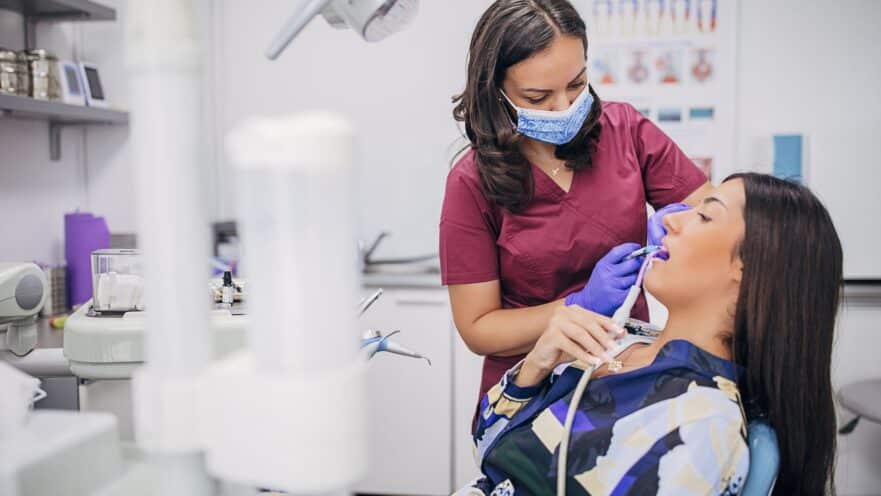
During a routine dental visit, your dentist will typically perform an examination of your teeth, gums, and mouth to check for any signs of decay or disease. They will also conduct a professional cleaning using specialized tools to remove plaque and tartar buildup from your teeth.
One important aspect of routine dental care is education. Your dentist can provide guidance on proper brushing and flossing techniques, as well as recommend products such as toothpaste or mouthwash that can help improve oral health.
Another key component of routine dental care is early detection. Regular check-ups allow dentists to identify potential issues before they become more serious problems, saving patients time and money in the long run.
Maintaining good oral hygiene practices at home combined with regular trips to the dentist are essential components of routine dental care that can help keep your smile healthy for years to come!
Types of dental care
When it comes to dental care, there are several types of treatments that your dentist may recommend. The most common type is preventive care, which includes regular checkups and cleanings to keep your teeth and gums healthy. This type of care can help catch problems early on before they become more serious.
Another type of dental care is restorative treatment. This includes procedures like fillings, crowns, bridges, and implants that repair or replace damaged or missing teeth. Restorative treatment can improve both the function and appearance of your smile.
Orthodontic treatment is also a type of dental care that focuses on correcting misaligned teeth or jaws. Braces are the most well-known form of orthodontic treatment but there are other options such as clear aligners for adults who want a discreet option.
Cosmetic dentistry has gained popularity over recent years with various aesthetic procedures available like veneers or whitening treatments to enhance the appearance of your smile.
It’s important to remember that each person’s needs will differ when it comes to oral health so be sure to consult with your dentist about what type(s) of dental care would suit you best!
How often should dental care be performed?
It’s important to get routine dental care, but how often should you schedule an appointment with your dentist? The frequency of dental visits depends on a few factors, such as age and overall oral health.
For most adults, it’s recommended to visit the dentist twice a year for cleanings and checkups. However, if you have a history of gum disease or other oral health issues, your dentist may recommend more frequent visits.
Children should start seeing the dentist around their first birthday and continue with regular appointments every six months. This is essential for monitoring tooth development and detecting any potential issues early on.
Pregnant women may also require additional dental care due to hormonal changes that can increase the risk of certain dental problems.
Ultimately, it’s best to consult with your dentist about how often you should receive routine dental care based on your individual needs. Regular visits not only maintain good oral health but can also catch any potential problems before they become serious issues.
The importance of oral health
Oral health is a crucial aspect of overall health and well-being. A healthy mouth not only allows you to eat and speak properly but also contributes to your confidence and self-esteem. Neglecting oral hygiene can lead to gum disease, tooth decay, bad breath, and other oral health issues.
Poor oral health has also been linked to several medical conditions such as heart disease, diabetes, respiratory infections, and even dementia. This is why maintaining good oral hygiene habits from an early age is important.
The best way to ensure good oral health is by practising proper dental care at home including brushing twice daily for two minutes using fluoride toothpaste, flossing regularly, and eating a balanced diet while avoiding sugary foods and drinks that can cause tooth decay.
In addition to home dental care practices it’s recommended adults visit the dentist every six months for routine check-ups that include thorough cleanings to remove plaque buildup which cannot be removed with regular brushing or flossing alone. Routine dental check-ups are essential in catching any potential problems early on before they become serious issues that require more invasive treatment options such as root canal therapy or extractions.
Preventive measures taken during routine visits help save money in the long run by preventing costly treatments later on down the line which could have been avoided if caught early enough. Don’t neglect your teeth – take steps now towards optimal oral health!
Routine dental care is essential for maintaining good oral health. Neglecting your teeth and gums can lead to various problems that could have easily been prevented with regular visits to the dentist. The American Dental Association recommends visiting a dentist every six months for a check-up and cleaning, but this may vary depending on an individual’s needs.
It’s important to remember that routine dental care isn’t just about keeping your teeth white or preventing cavities; it also plays a crucial role in detecting potential issues early on when they’re easier and less expensive to treat. By investing in your oral health today, you can save yourself from more significant problems down the road.
So don’t skimp on routine dental care! Make sure you visit your dentist regularly, practice good oral hygiene habits at home, eat a healthy diet low in sugar and acidic foods, and take steps to protect your teeth from injury. With these simple steps, you’ll be well on your way towards maintaining healthy teeth and gums for years to come!