60 N Mercer Ave, Sharpsville, PA 16150

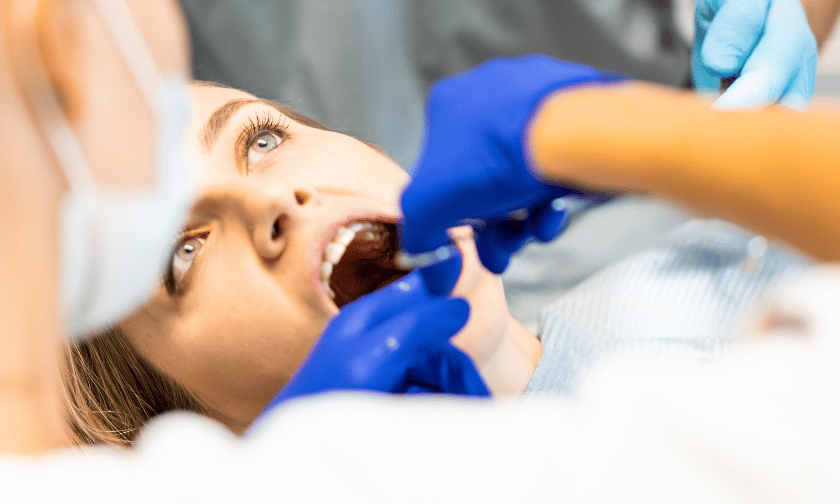
What to Expect During Your Treatment Plan for Full Mouth Restoration
Introduction
Full Mouth Restoration is an advanced treatment plan designed to restore the functionality and aesthetics of your teeth. Full Mouth Restoration can be used to address issues such as tooth decay, misalignment, discoloration, and more. Full Mouth Restoration also helps improve your overall oral health and create a beautiful smile that you can be proud of.
No two Full Mouth Restoration plans are alike. Your Full Mouth Restoration plan will be tailored to your specific needs and goals. Here’s what you need to know about Full Mouth Restoration, from the process to post-treatment care.
Full Mouth Restoration Process:
1. Consultation:
Before Full Mouth Restoration begins, you’ll need to have an initial consultation with your dentist. This is done to determine if Full Mouth Restoration is right for you. During the consultation, your dentist will evaluate your current oral health, discuss any concerns or goals you may have, and take X-rays to get a better picture of what’s going on inside your mouth.
2. Treatment Plan:
After the consultation, your dentist will create a personalized Full Mouth Restoration plan for you. This plan may include cosmetic treatments such as veneers or crowns, restorations to address tooth decay or misalignment, and more. Your dentist may also recommend other treatments such as teeth whitening or a night guard to protect your mouth from grinding during sleep.
3. Treatment:
Once the Full Mouth Restoration plan is determined, you’ll begin the treatment process. Depending on the extent of Full Mouth Restoration needed, this could involve multiple appointments over a period of time. During these appointments, your dentist will complete the Full Mouth Restoration treatments as outlined in your plan.
Full Mouth Restoration Aftercare:
Follow-up Appointments: After Full Mouth Restoration is complete, you’ll need to follow up with your dentist for regular checkups. This helps ensure that the Full Mouth Restoration process has been successful and there are no underlying issues present. Depending on your situation, your dentist may recommend longer or more frequent follow-ups.
1. Oral Hygiene at Home:
Full Mouth Restoration is an investment in your oral health, so it’s important to practice good oral hygiene habits at home. This includes brushing twice a day, flossing daily, and using mouthwash if recommended by your dentist. Additionally, if you’ve had crowns or veneers put in, you may need to use a special toothbrush or other tools to clean around them.
2. Avoid Certain Foods and Beverages:
Full Mouth Restoration can be delicate, so it’s important to avoid certain foods and beverages that could damage the treatments. This includes hard foods such as nuts, popcorn kernels, or ice, as well as sticky or chewy foods. Avoiding excess sugar, acidic beverages such as soda or sports drinks, and cigarettes will also help Full Mouth Restoration treatments last longer.
Conclusion:
Full Mouth Restoration is a great way to improve the overall health of your mouth and create a beautiful smile. The process involves an initial consultation, creating a personalized Full Mouth Restoration plan, and following up with your dentist after the treatment is complete. With proper care at home, Full Mouth Restoration can help you maintain a healthy mouth for years to come.
FAQs
Q: How long does Full Mouth Restoration take?
A: The length of Full Mouth Restoration will depend on your individual needs and goals. Generally, Full Mouth Restoration could involve multiple appointments over a period of weeks or months.
Q: What is Full Mouth Restoration used for?
A: Full Mouth Restoration can be used to improve the overall health of your mouth as well as enhance its aesthetics. Full Mouth Restoration may include treatments such as crowns, veneers, and more.
Q: What kind of aftercare is needed for Full Mouth Restoration?
A: After Full Mouth Restoration is complete, it’s important to practice good oral hygiene habits at home such as brushing and flossing, visit your dentist for regular checkups, and avoid certain foods or beverages that could damage Full Mouth Restoration treatments.