60 N Mercer Ave, Sharpsville, PA 16150

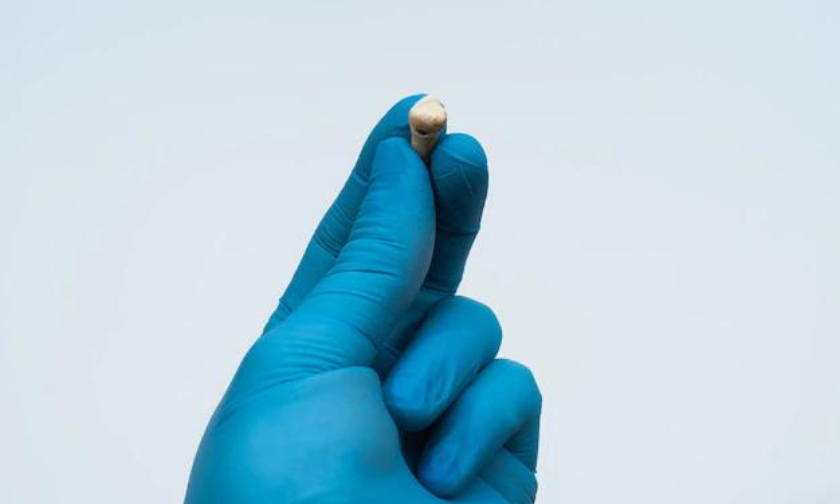
Tooth Extraction: What to Know Before You Go Under The Knife
Are you considering a tooth extraction? The thought is that having surgery can be daunting and nerve-wracking. It’s understandable to feel uncertain about undergoing this type of procedure. After all, it’s your oral health at stake! But don’t worry – with the right preparation and knowledge before surgery, you can confidently assess any risks associated with tooth extractions and make an informed decision that will give you peace of mind.
This blog post is designed to help educate patients on the ins and outs of tooth extraction procedures so that they know what to expect each step along the way. From understanding why certain teeth may need removal to maintain long-term oral health care safety, to preparing mentally and physically for treatment on the day itself – we hope this blog helps guide you through a smooth process leading up to your dental appointment!
What To Know Before A Tooth Extraction?
1. Why You Might Need A Tooth Extraction?
Tooth extractions are sometimes necessary when the health of a tooth is compromised. Decay, severe injury, or overcrowding of teeth can cause it to be more beneficial to the patient’s oral health if the damaged or decayed tooth is removed from its socket. Tooth extractions are performed by a trained professional after an assessment of the situation has been made.
This procedure can save a patient from further pain and discomfort experienced due to decaying or injury to their teeth, as well as lessen the chance for an infection or other problems that could arise from keeping an infected tooth. It must be remembered that although this procedure does help in these cases, dental hygiene practices that involve proper cleaning of the mouth must still be followed regularly to maintain good oral health.
2. What The Procedure Entails
Tooth extraction is essential for preserving oral health and relieving specific dental issues. It involves carefully removing a tooth from the mouth with special instruments by a trained dental professional. During the procedure, local anesthetics are used to numb the area and limit discomfort or pain.
First, forceps will loosen the tooth and its adjacent tissue before removing it in one piece. In exceptional cases, your dentist may utilize a drill instead to break the tooth apart before extraction. Additionally, stitches might be required to support the gum’s healing process after the procedure is complete.
It’s essential to remember that recovery times vary between individuals and depend upon specific factors like age and health condition. Your dentist in Sharpsville should provide you with post-operative instructions to help promote faster healing!
3. Tips For Getting Ready For A Tooth Extraction
A tooth extraction is a routine procedure most dental offices can efficiently perform. Patients must prepare adequately to ensure the process goes as smoothly as possible. Before an extraction, inform your dentist of all medications you take and any medical conditions that may affect the procedure.
Additionally, follow your dentist’s instructions regarding dietary items before the day of the extraction; some offices may have you come in fasting, while others recommend having a light meal beforehand. If you are nervous before the procedure, let your dentist know – they may offer options such as a sedative or local anesthetic to help reduce your anxiety. All in all, simple preparation and open communication with your dentist will make the process easier and more comfortable for both parties involved.
4. What To Expect After A Tooth Extraction
After tooth extraction, there is generally an expected amount of pain and discomfort. However, pain medication and antibiotics may be prescribed depending on the person. A gauze pad will be placed over the affected area to reduce bleeding.
The procedures for aftercare include avoiding pressure on the affected area by eating soft foods like applesauce and yogurt and avoiding activities such as rinsing your mouth with warm salt water several times throughout the day or using a gentle rinse of hydrogen peroxide mixed with water. Additionally, it is essential to perform proper post-extraction care to promote successful healing. Following these instructions provided by your dentist can ensure a smoother recovery process.
5. Tips For Recovery And Healing
Tooth extraction can be a stressful experience, but there are steps that you can take to ensure a speedy recovery and successful healing. After the procedure, it is essential to bite down on the gauze for at least thirty minutes to reduce the bleeding. Additionally, use an ice pack periodically on your cheek near the extraction site for about twenty minutes to reduce swelling.
When returning home from the dentist, prop up your head with an extra pillow, preventing excess blood from entering the extraction site and delaying healing. Consume fluids and soft foods until the wound has healed. Avoid eating too hard or crunchy, as this is likely to dislodge the clot formed over the socket.
Discuss With Your Dentist About Tooth Extraction
Before you undergo a tooth extraction, it is essential to understand the process and what to expect. This will help ensure you are as prepared as possible for the procedure. Be sure to discuss any concerns with your dentist in Sharpsville before the process so they can address them and help put your mind at ease.